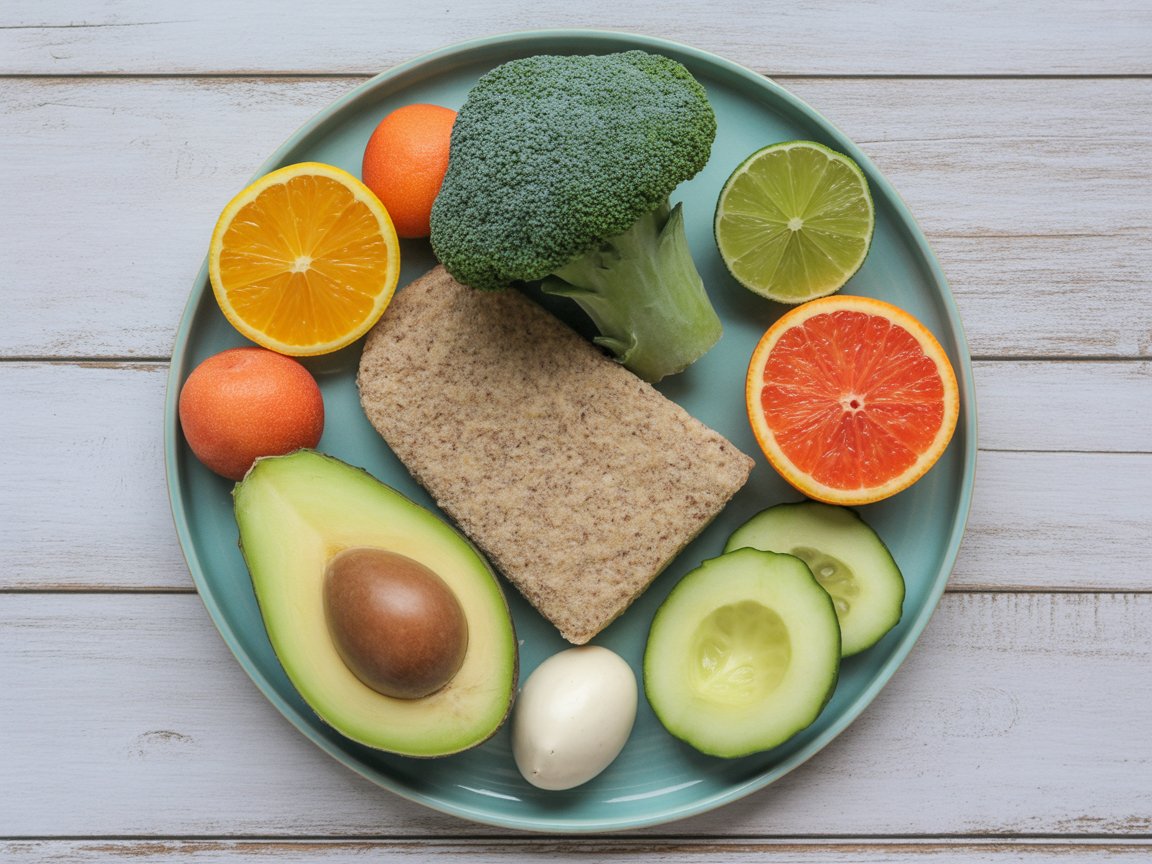
Taking on a three-month clean-eating journey can feel both exciting and a little daunting. Small, steady changes add up quickly, especially when matched with tasty meals and realistic planning. Below are fifty practical ideas to keep your motivation strong, your grocery cart balanced, and your plates colorful.
1. Define Your “Why”
Grab a notebook and write down personal reasons for embracing cleaner meals—energy, mood, or better sleep. Refer to that page whenever enthusiasm dips. A clear purpose anchors daily choices.
2. Take Baseline Photos
Quick before-photos help track non-scale progress like posture and skin clarity. Snap them in similar lighting and clothing every four weeks. Visual evidence often reveals changes the scale can’t capture.
3. Schedule Weekly Meal Planning Time
Block 30 minutes each weekend to map breakfasts, lunches, dinners, and snacks. Planning minimizes impulse grabs and reduces midweek stress. Treat the meeting with yourself as a firm appointment.
4. Build a Master Grocery List
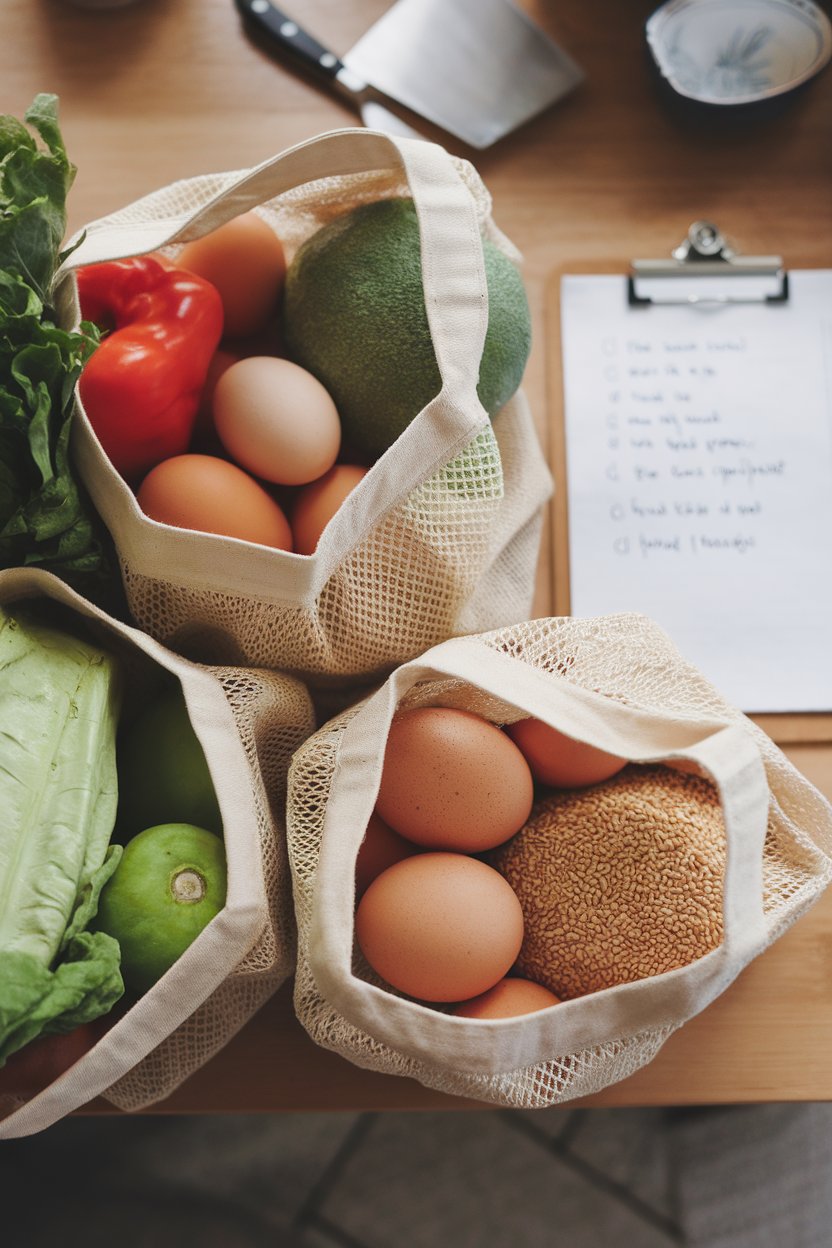
Create a reusable checklist of staple items like rolled oats, leafy greens, and beans. Keeping a core list speeds up shopping and curbs wandering aisles. Update seasonally for variety.
5. Clean Out Your Pantry
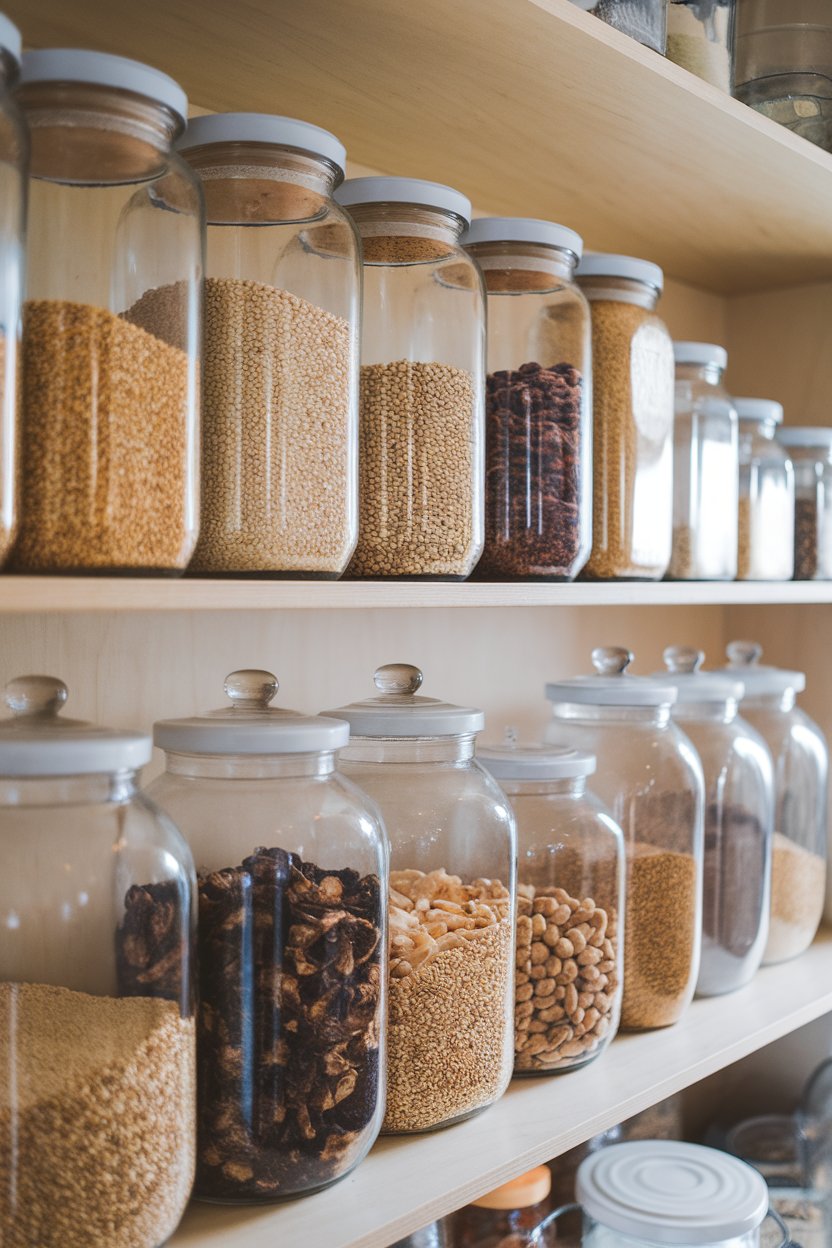
Remove outdated or ultra-processed foods to free space for wholesome options. Organize remaining items in clear containers so you actually use them. A neat pantry encourages healthier cooking.
6. Embrace Meal Prep Sundays
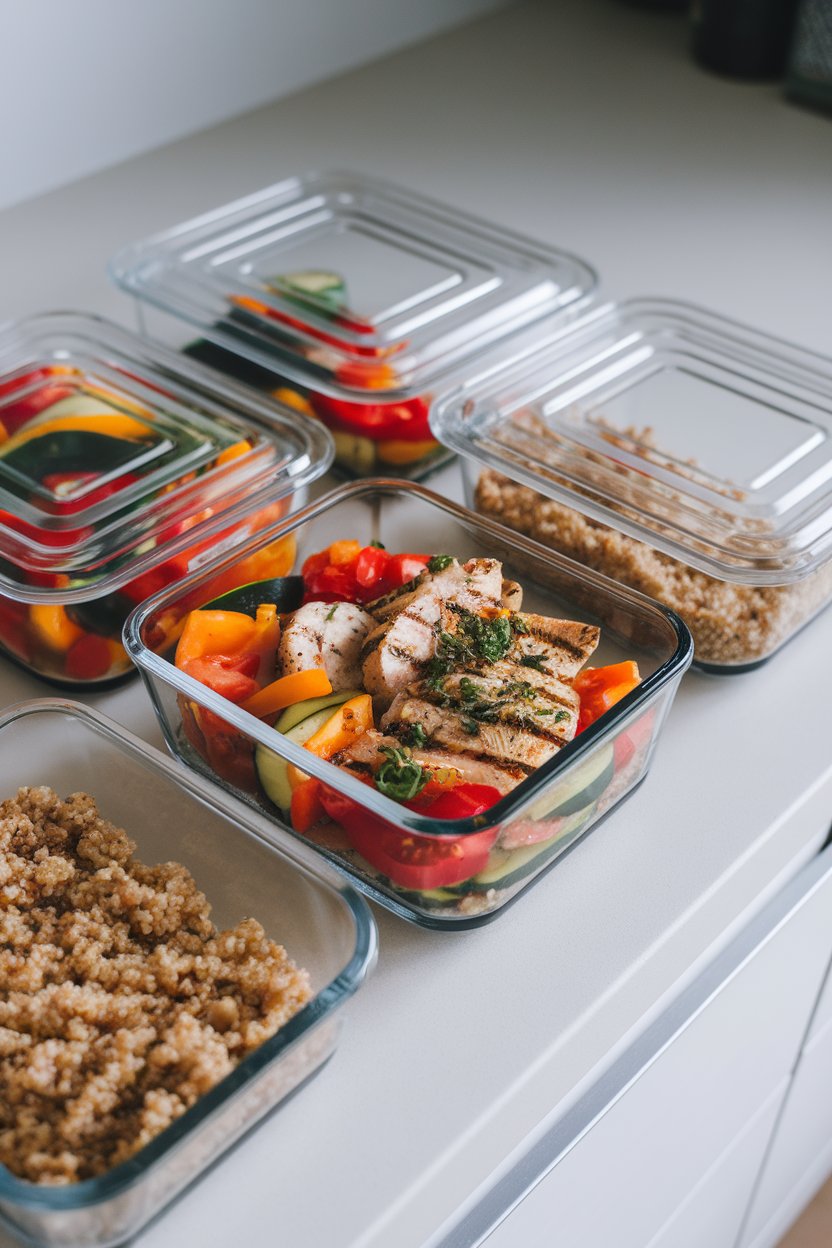
Batch-cook proteins, grains, and chopped veggies for grab-and-go meals all week. Even two hours of prep prevents last-minute takeout orders. Rotate spices to keep combos fresh.
7. Hydrate First Thing
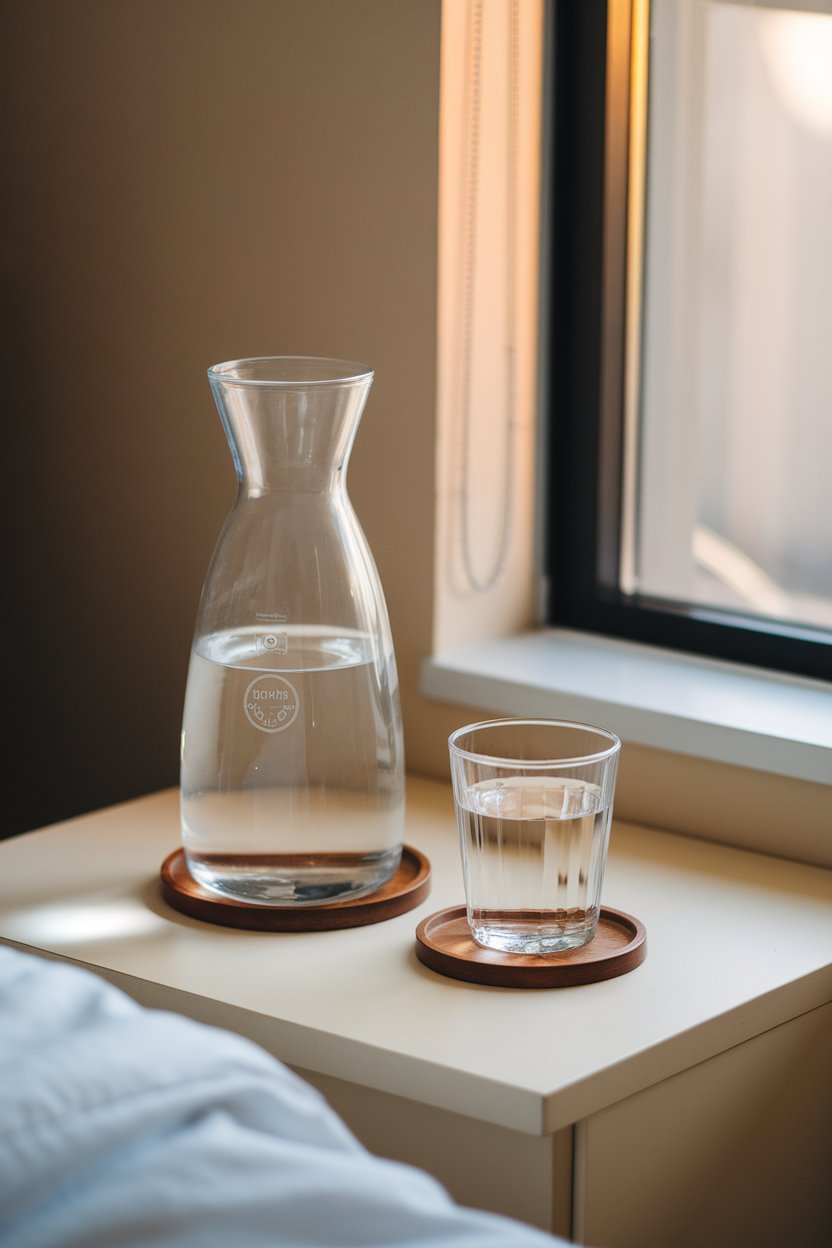
Drinking water before coffee jump-starts digestion and gently wakes the body. Aim for 12–16 ounces within ten minutes of rising. Add lemon slices if plain water feels boring.
8. Upgrade Your Breakfast
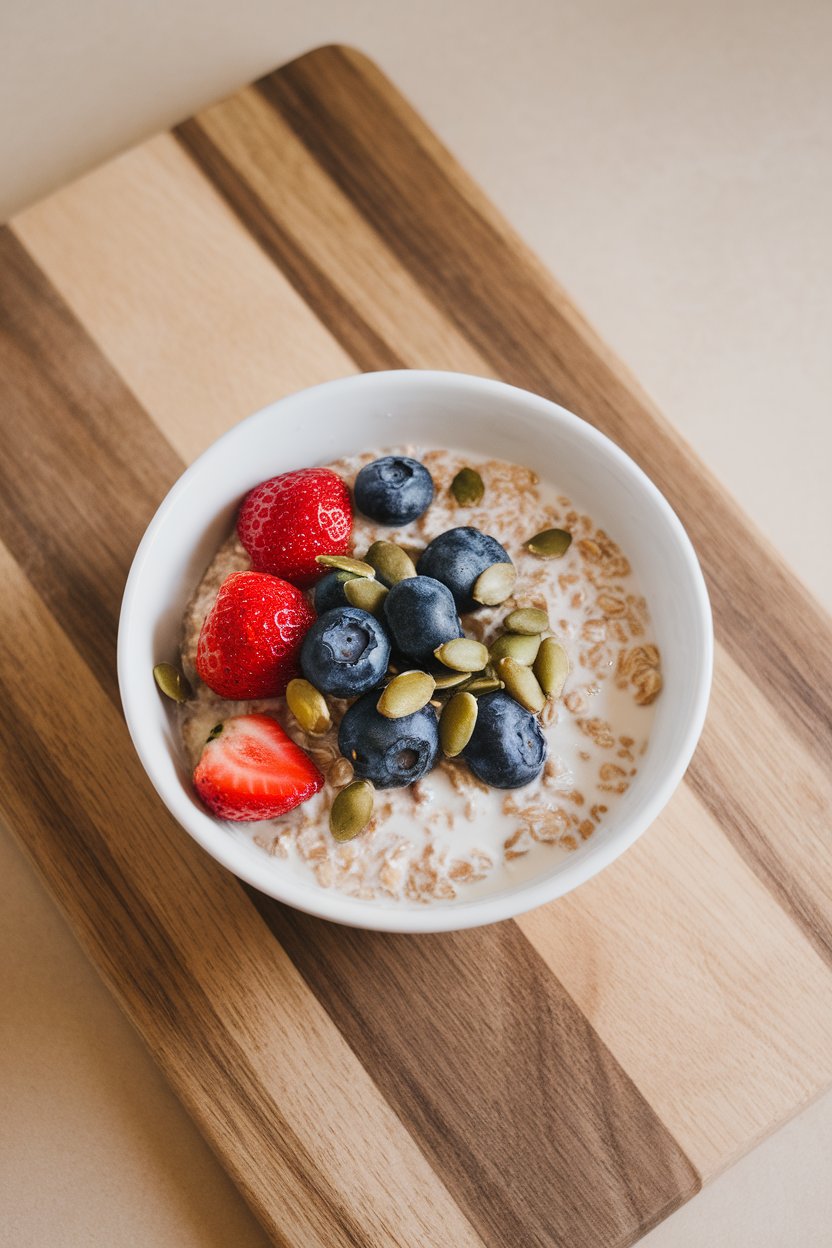
Start mornings with fiber-rich bowls instead of sugary cereals. Protein and healthy fats keep hunger steady until lunch. Play with seasonal toppings for natural sweetness.
9. Stock Freezer-Friendly Vegetables
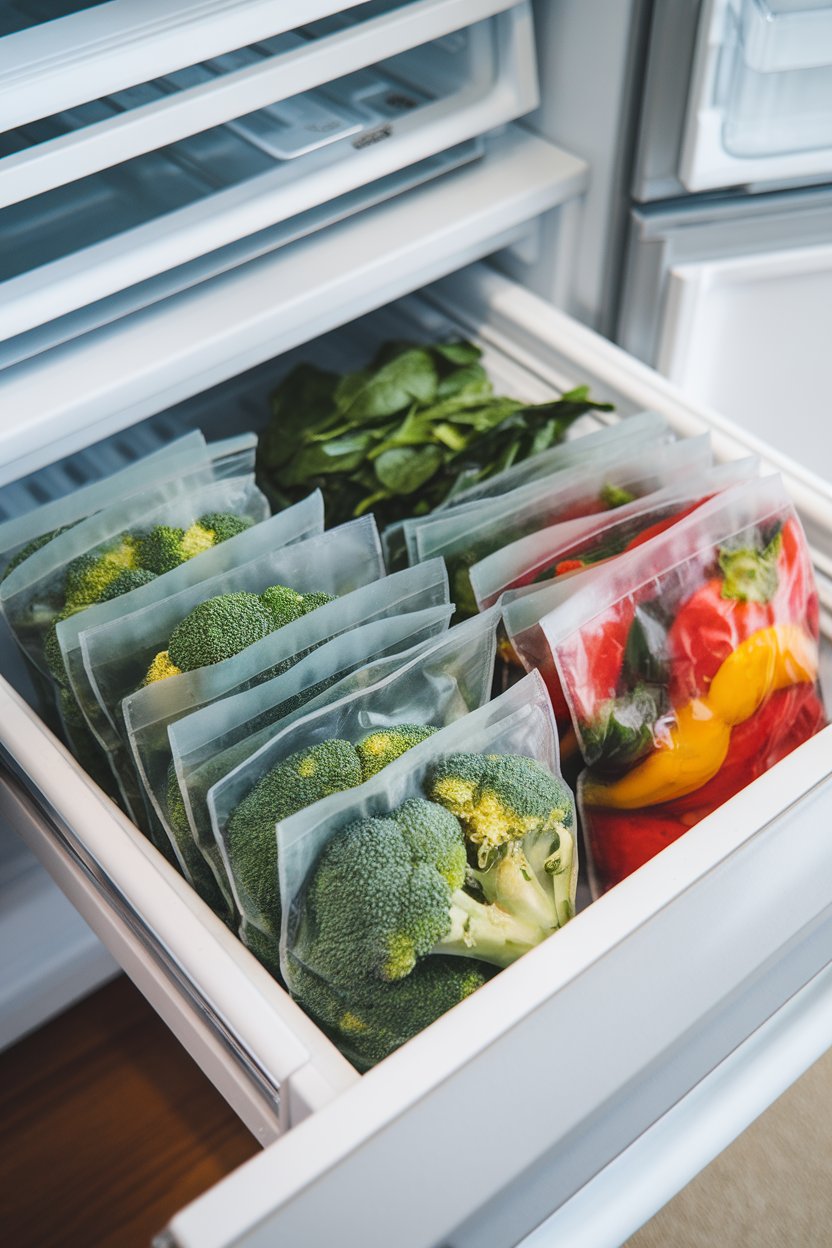
Frozen produce locks in nutrients and never wilts in the crisper. Toss straight into stir-fries or soups for easy nutrition boosts. They’re budget-friendly and cut down on waste.
10. Master a One-Pan Dinner
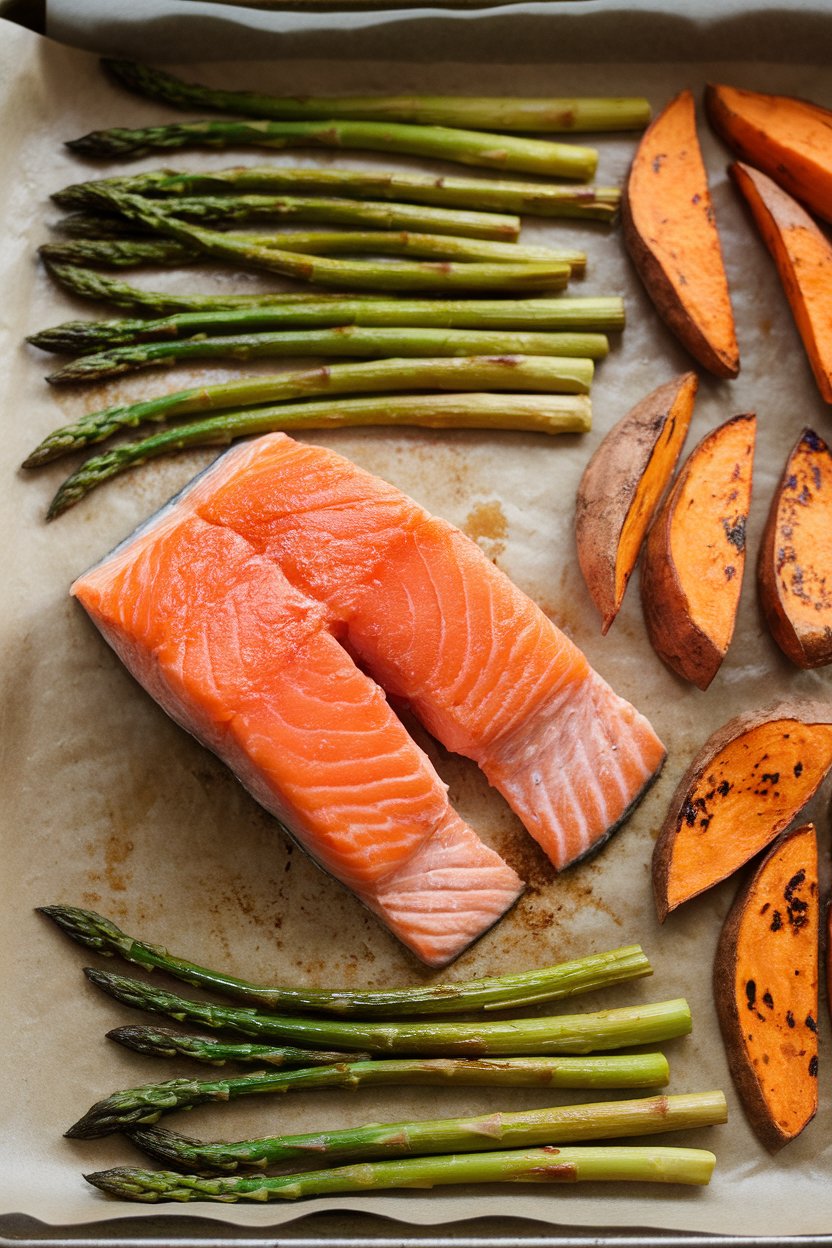
Choose proteins and veggies that cook at similar temperatures. One-pan meals simplify cleanup and limit oil use. Keep a short list of spice blends to prevent flavor fatigue.
11. Learn Five Simple Dressings
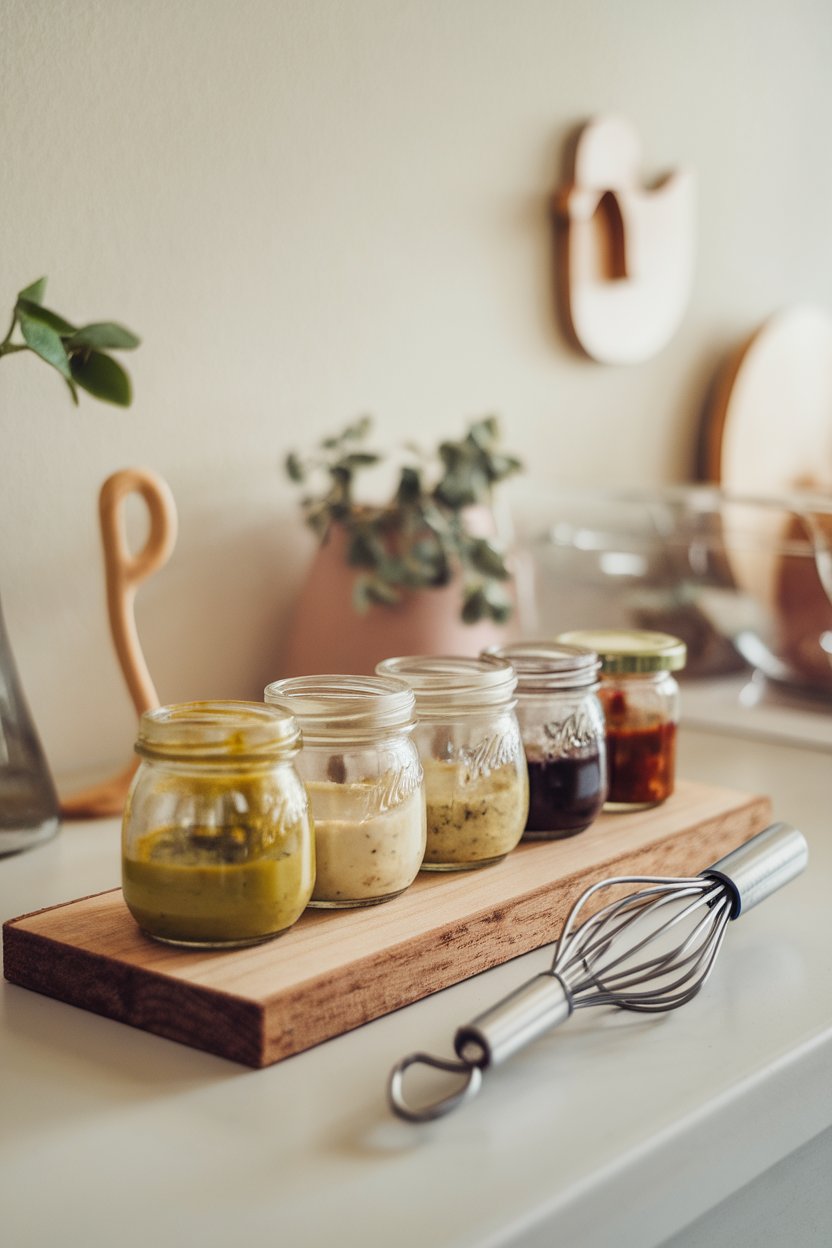
Homemade dressings avoid added sugars and preservatives in bottled versions. Combine olive oil, citrus, herbs, and a touch of mustard for endless combos. Label jars by flavor to mix and match quickly.
12. Swap Refined Grains for Whole Grains
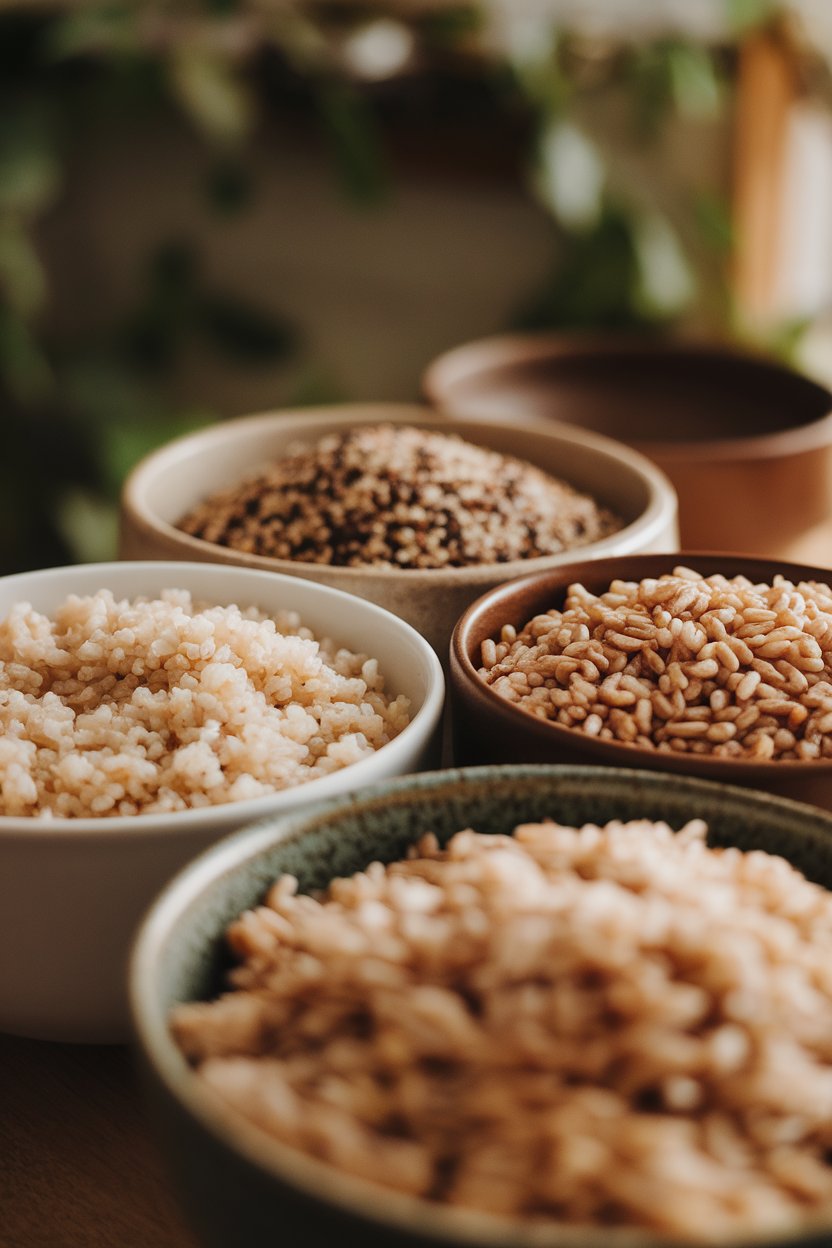
Whole grains supply fiber that keeps blood sugar level and digestion happy. Start with brown rice in stir-fries, then explore quinoa salads or farro soups. Gradual swaps are easier than an overnight overhaul.
13. Keep Healthy Snacks Visible
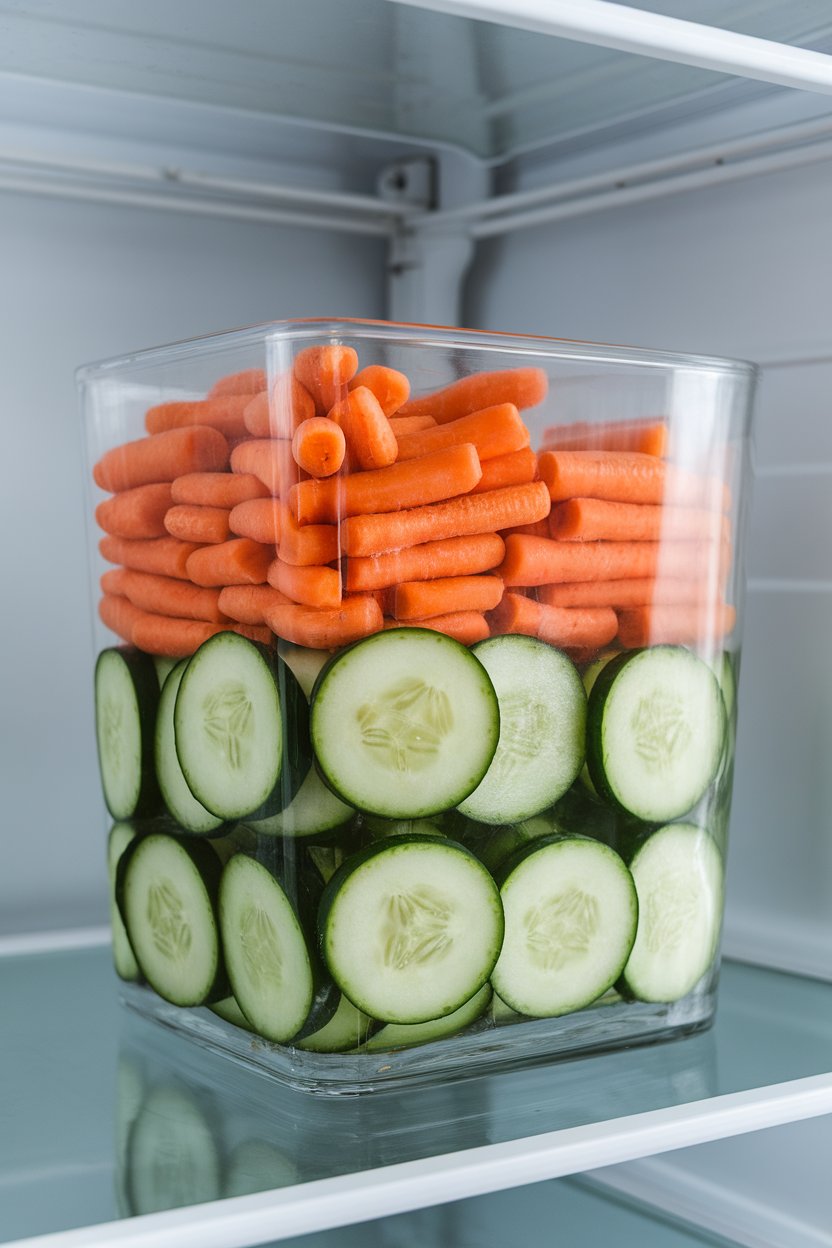
What you see first is often what you’ll reach for. Position washed produce and hummus front and center. Hide treat foods in opaque containers if they must stay in the house.
14. Pack Emergency Snack Packs
Carry portable protein-plus-fruit packs to avoid vending machines. A balanced mini-meal wards off hanger during traffic or meetings. Rotate nut and fruit combos for interest.
15. Read Ingredient Lists, Not Just Nutrition Panels
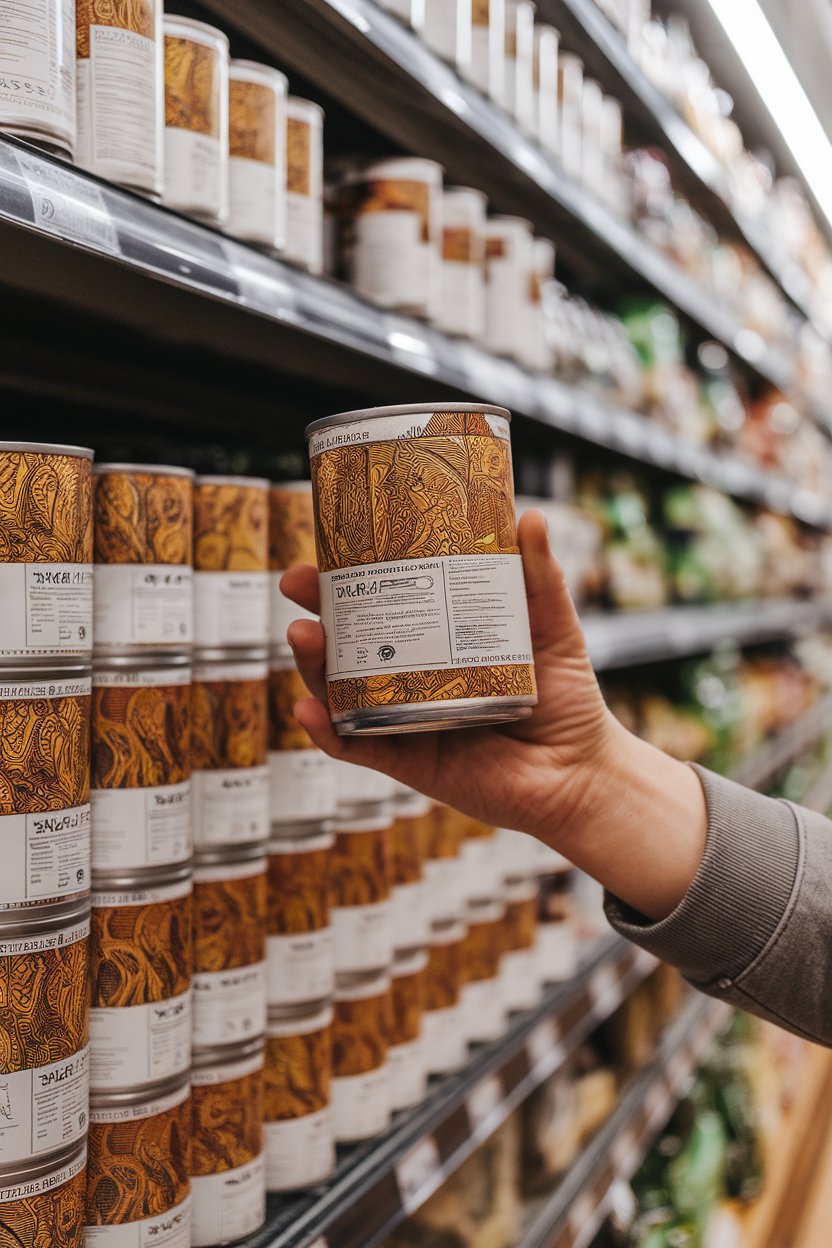
If an ingredient belongs in a chemistry lab, consider skipping that product. Short, recognizable lists signal less processing. Over time, label-spotting becomes second nature.
16. Cook with Herbs and Spices Instead of Extra Salt
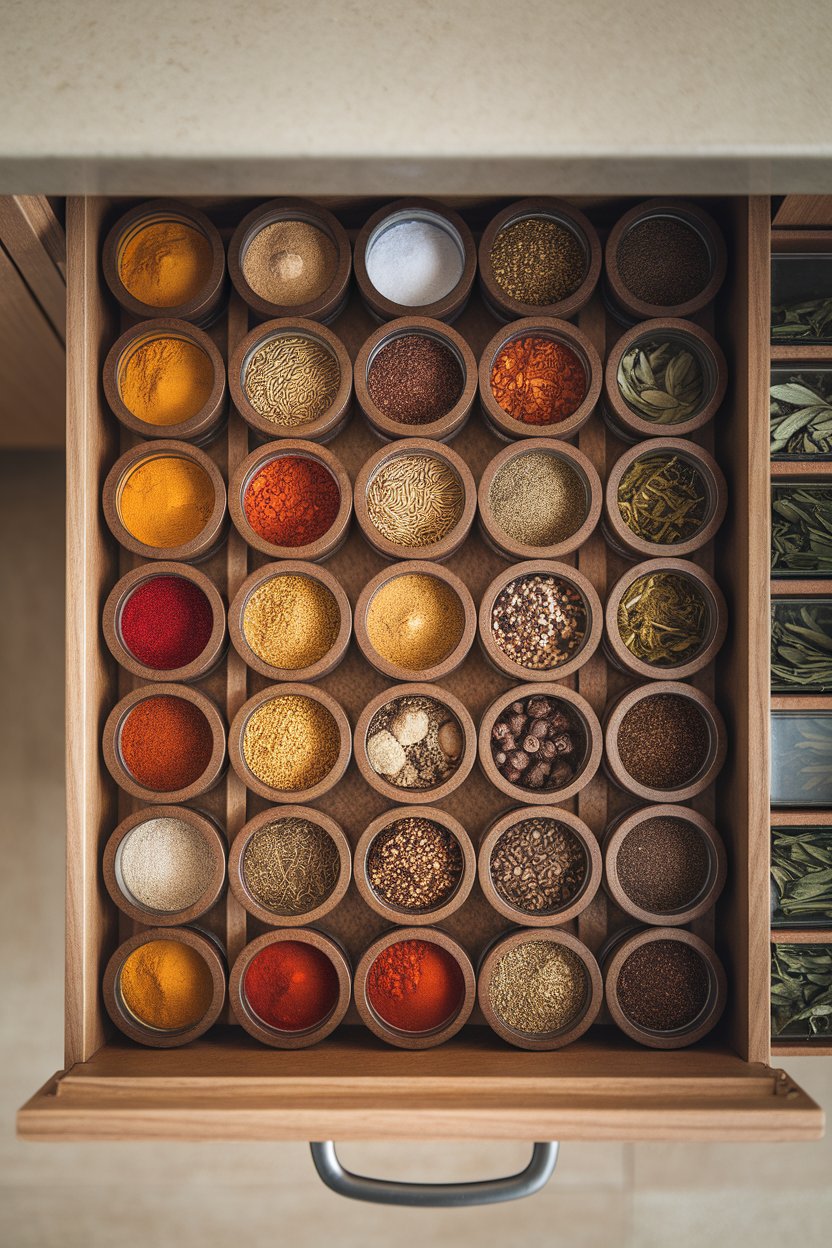
Aromatic seasonings lift flavors without loading sodium. Experiment with cumin, paprika, or fresh basil on familiar dishes. Keeping a small mortar and pestle near the stove invites creativity.
17. Experiment with Meatless Mondays
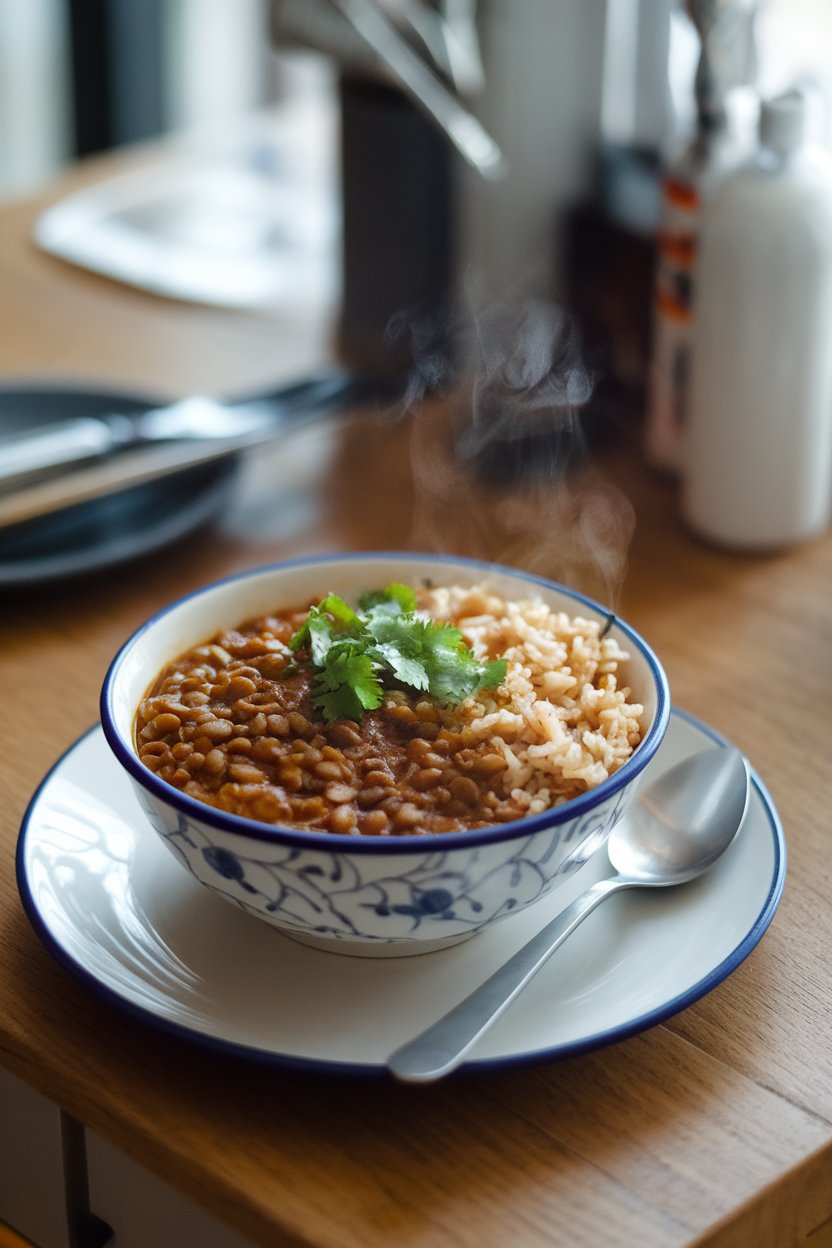
One plant-focused day each week broadens your recipe repertoire and eases grocery bills. Beans, lentils, and tofu offer satisfying protein. Many participants end up adding more meat-free days by choice.
18. Limit Sugary Drinks
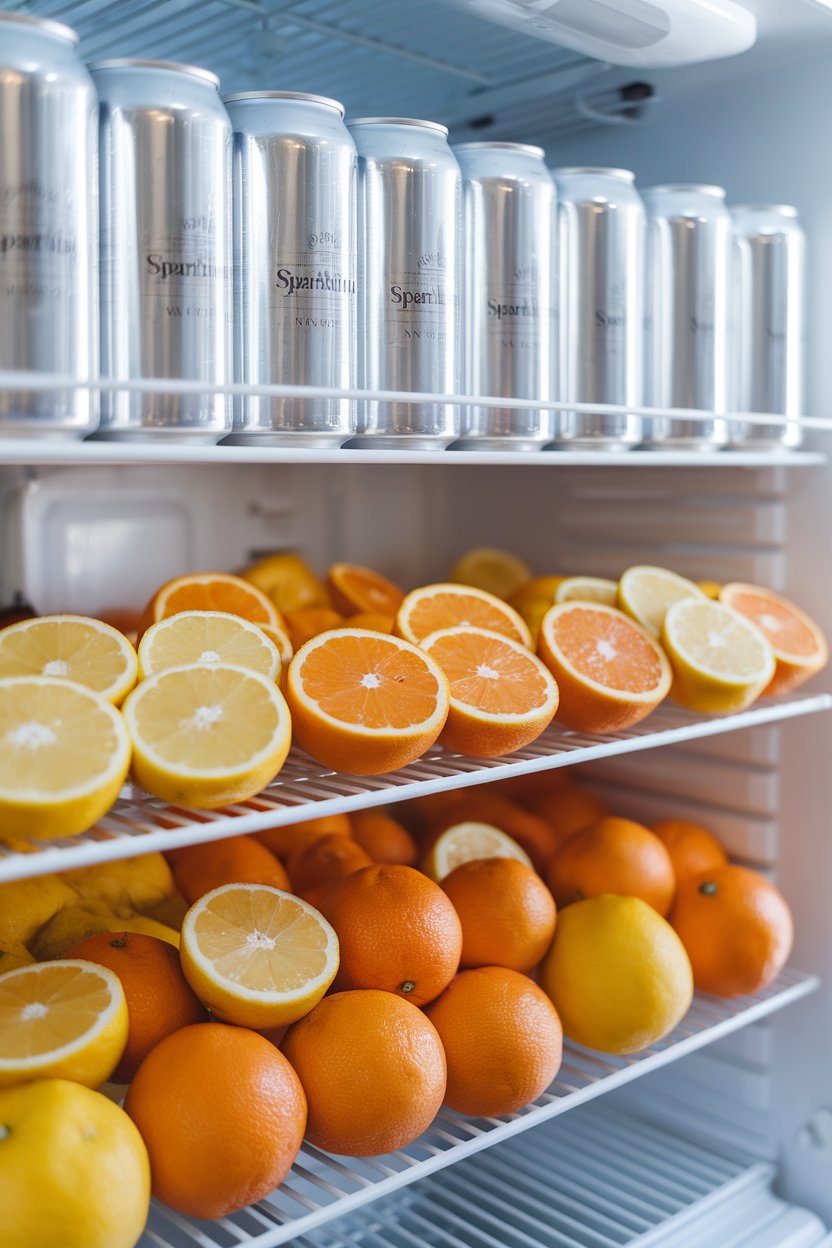
Sodas and sweetened coffees sneak in calories that don’t fill you up. Replace them with sparkling water, herbal teas, or homemade cold brew. Flavor water with fruit and herbs for variety.
19. Practice the 80/20 Rule
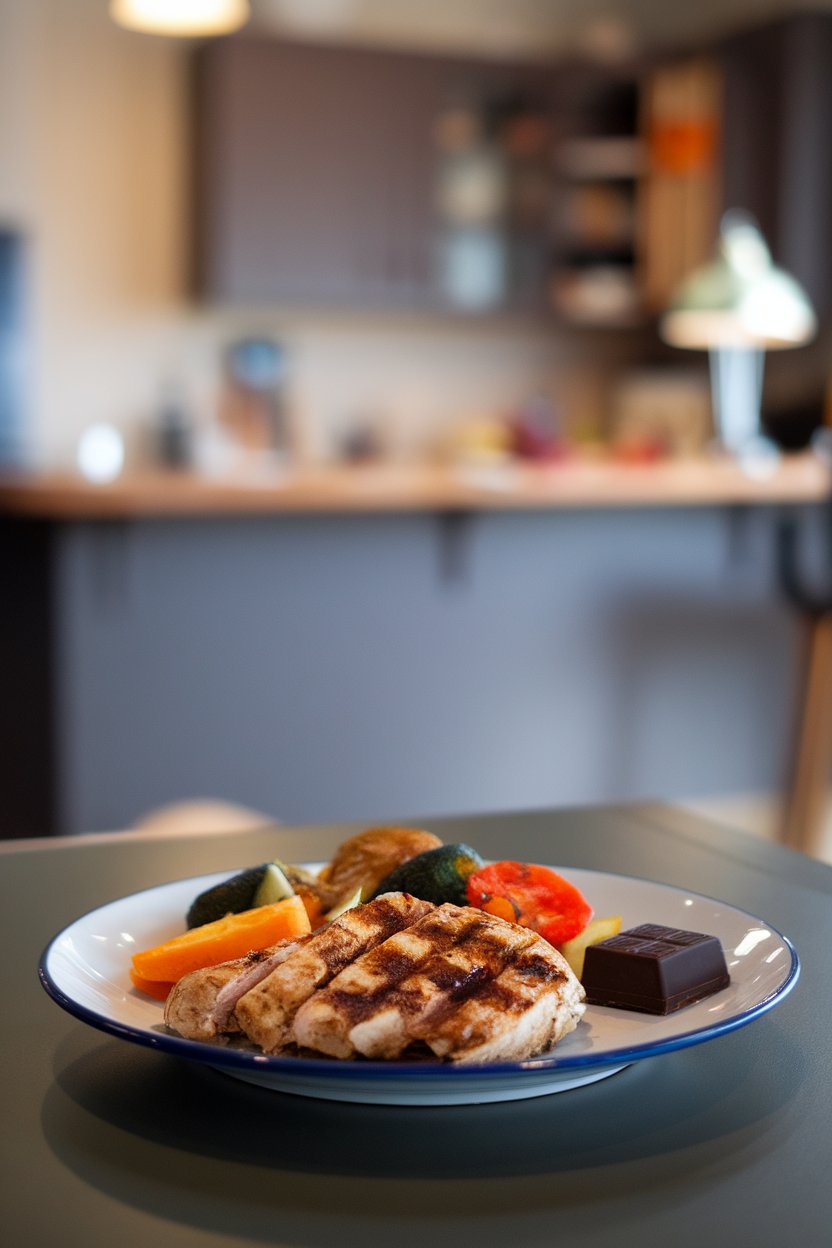
Eating clean most of the time allows room for small indulgences without guilt. Planning for treats keeps cravings from escalating. Celebrate flexibility rather than rigid perfection.
20. Use Smaller Plates
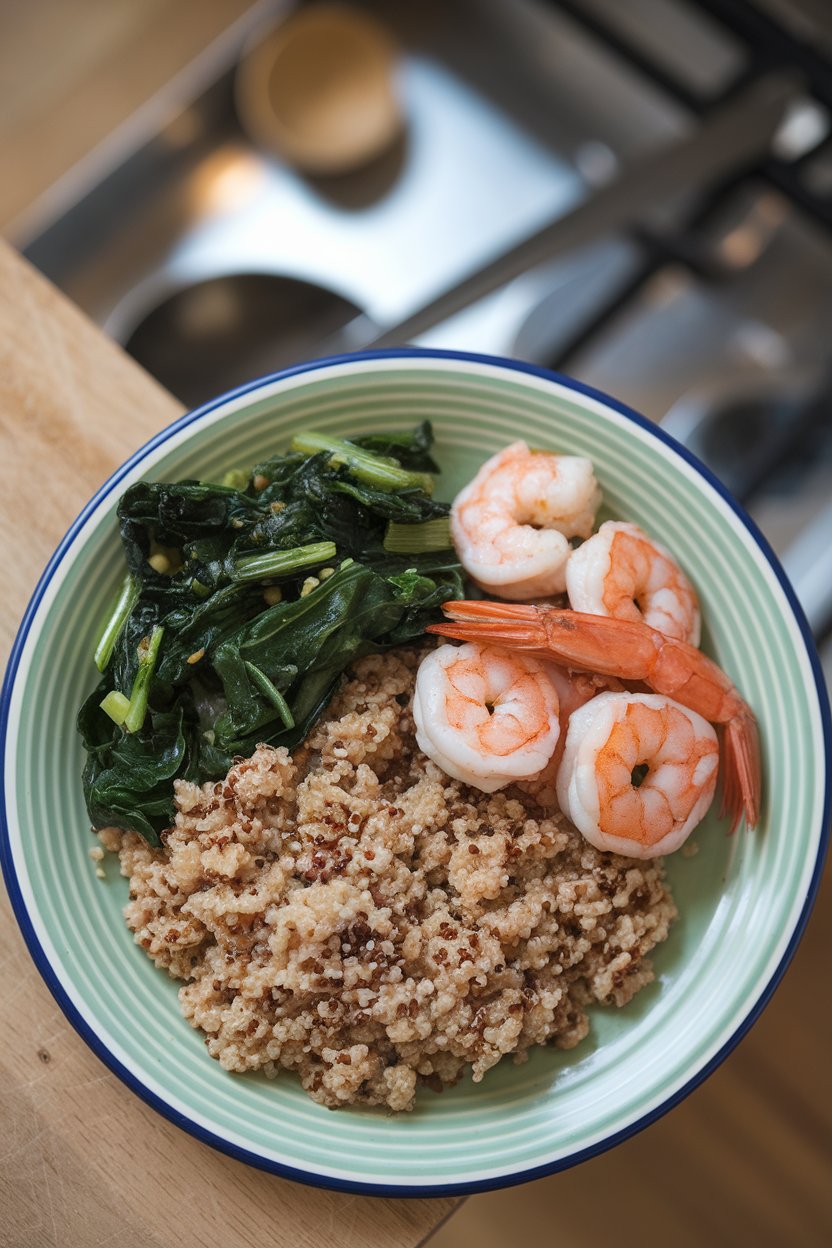
Visual cues influence fullness more than many realize. Downsizing plates makes moderate servings look abundant. This simple trick supports mindful eating without measuring every bite.
21. Chew Slowly
The brain takes about 20 minutes to register satiety signals. Slower bites improve digestion and help recognize natural fullness. Set utensils down between mouthfuls as a reminder.
22. Batch-Blend Smoothie Packs
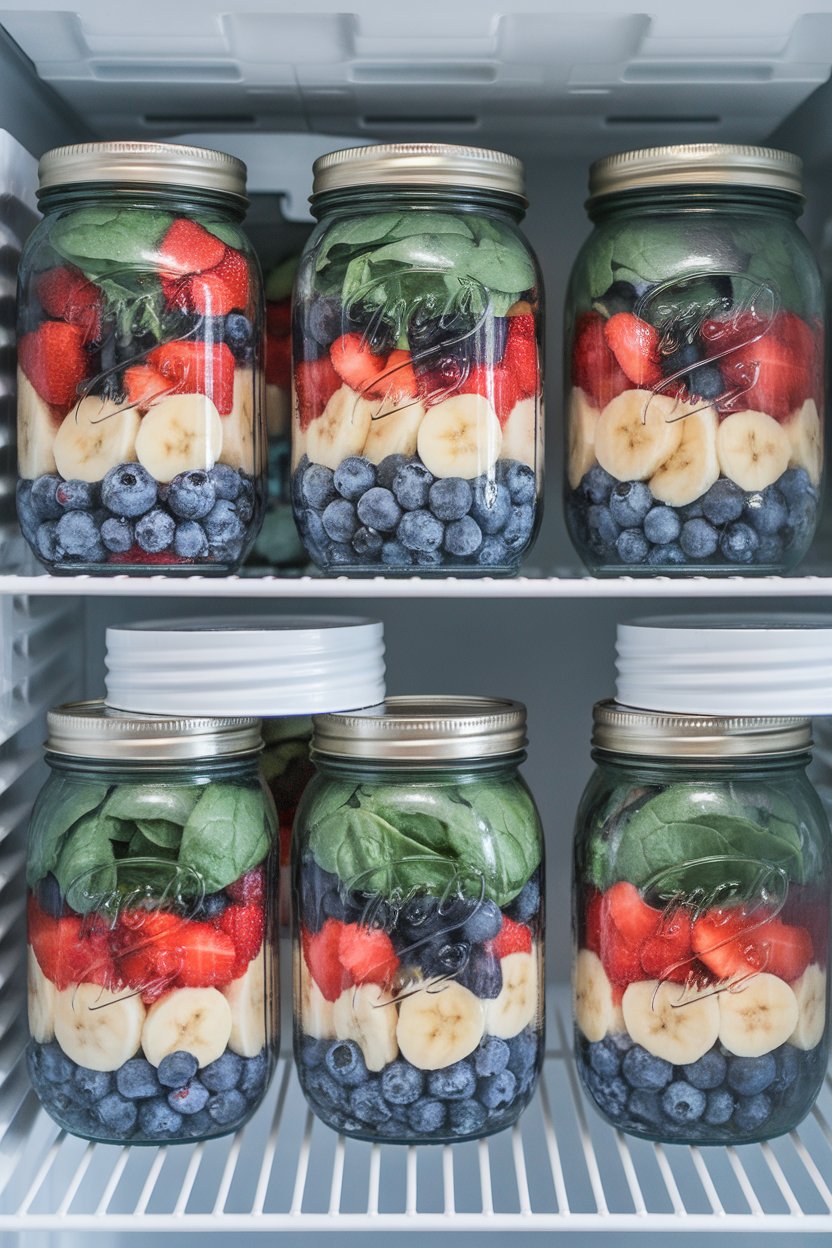
Pre-portioned packs mean weekday breakfasts are ready in seconds. Just add liquid and blend. Frozen ingredients double as ice for a creamy texture.
23. Make Your Own Spice Blends
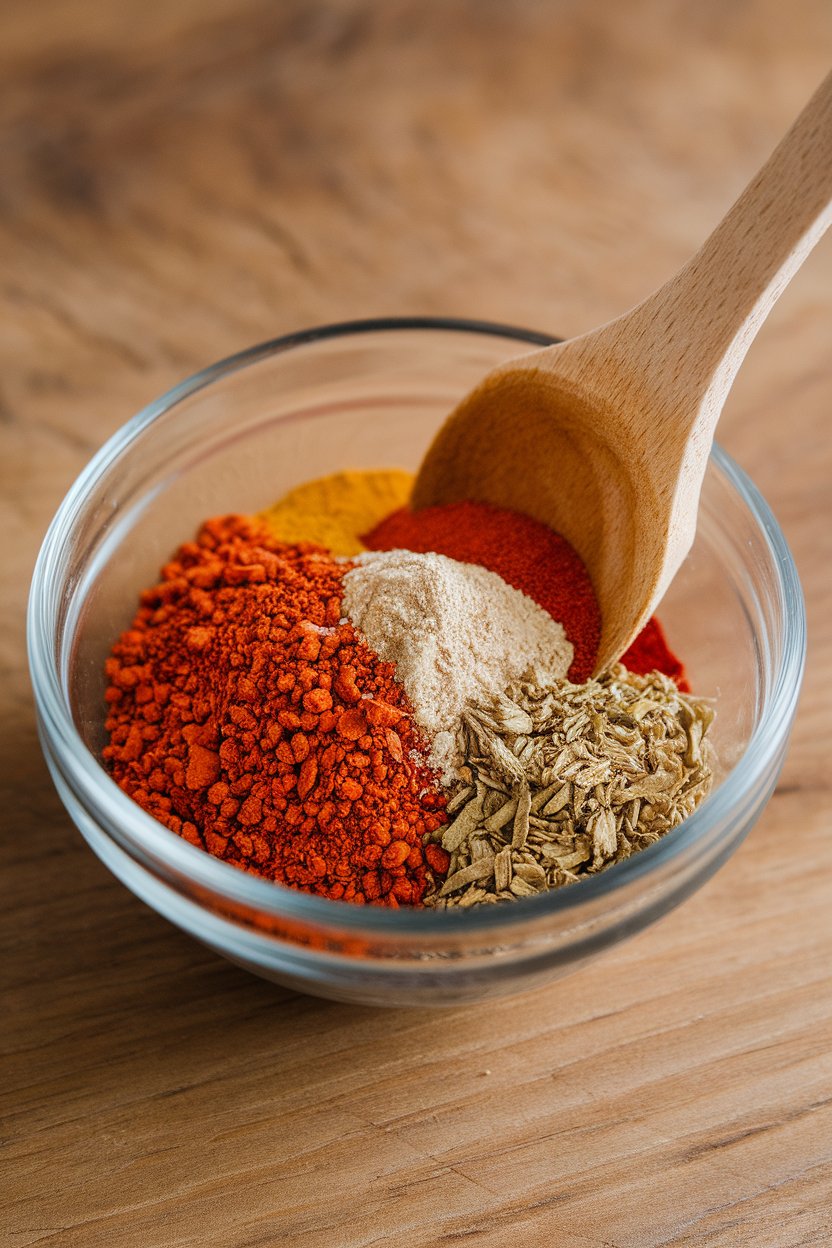
DIY blends let you control salt and eliminate anti-caking agents. Store mix in mini jars for quick chicken or veggie rubs. They also make thoughtful gifts for friends trying clean eating.
24. Invest in Quality Storage Containers
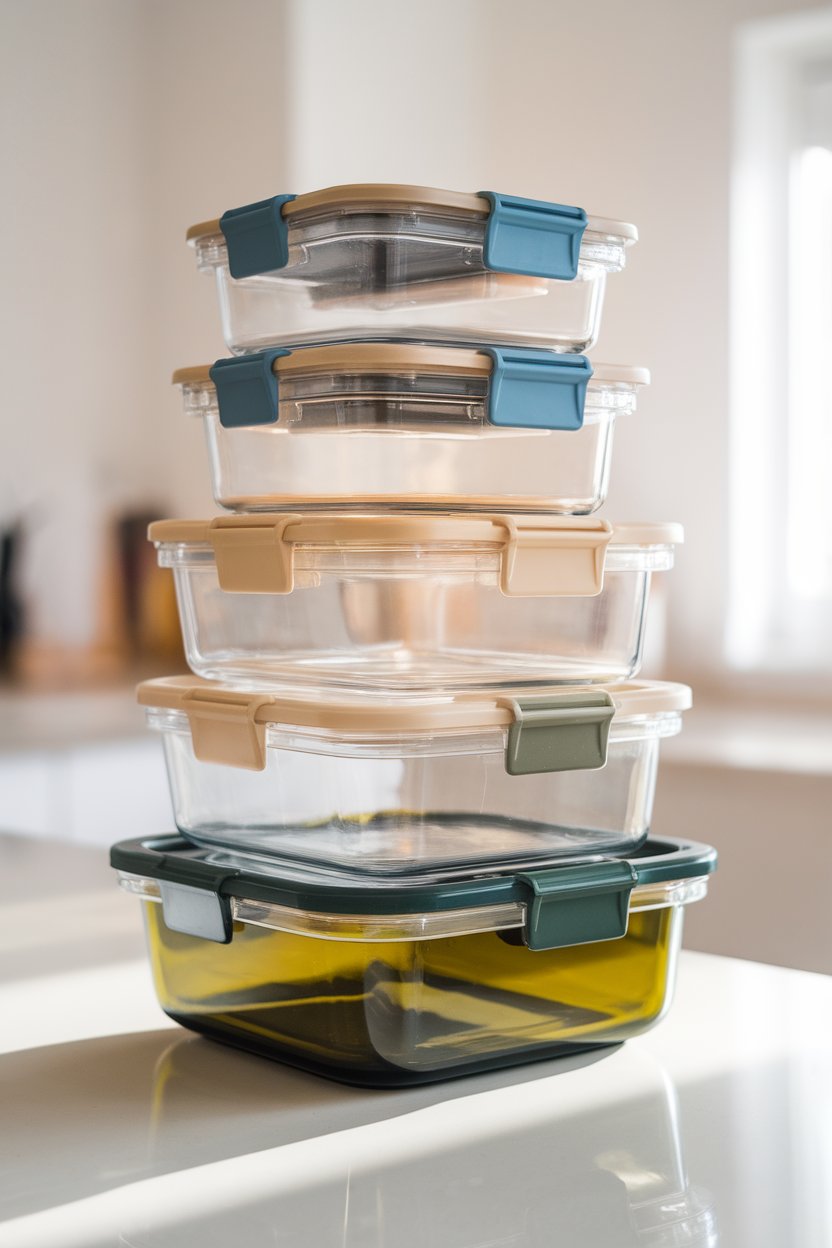
Good containers keep produce crisp and leak-proof for transport. Glass resists staining and retains no odors from spices. A well-organized fridge saves time and money.
25. Keep a Food Journal
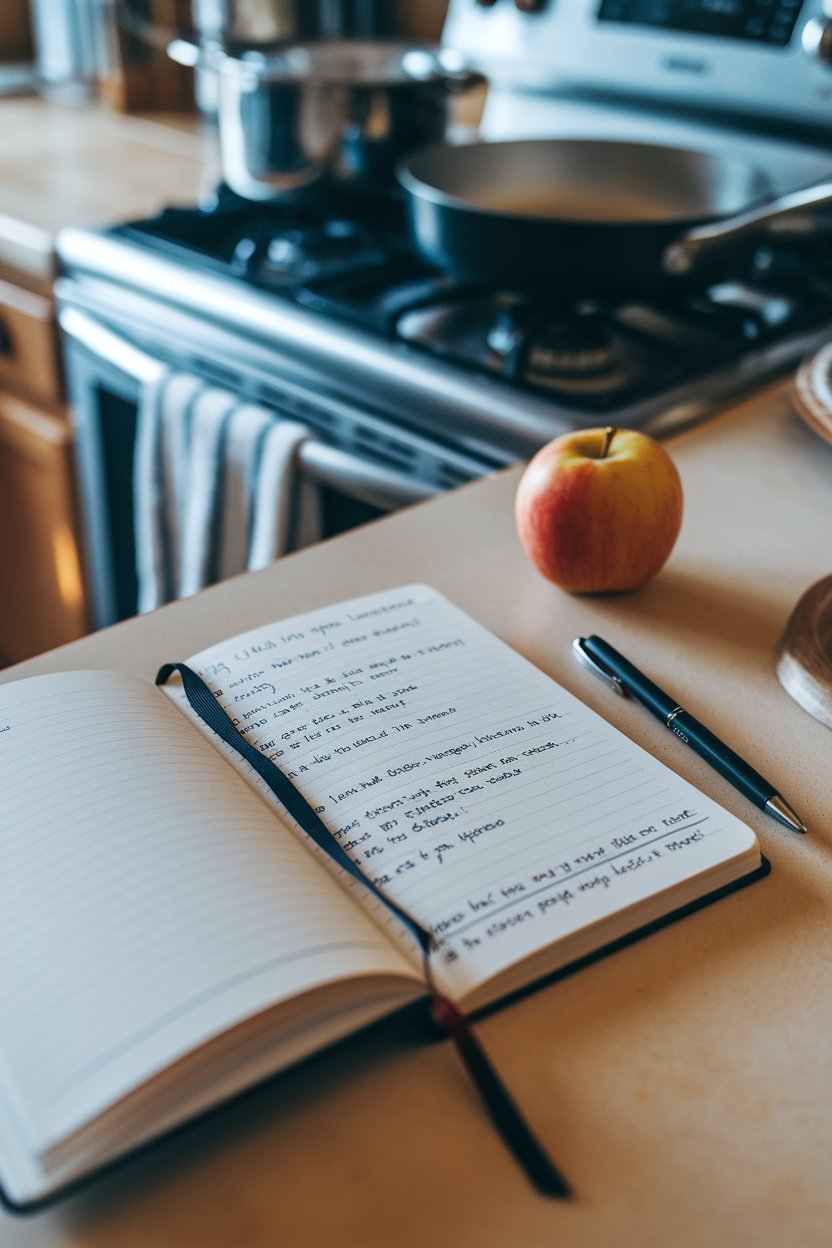
Logging meals uncovers patterns like afternoon snacking or skipped breakfasts. Awareness enables targeted tweaks. Review entries weekly and celebrate positive trends.
26. Learn a New Vegetable Each Week
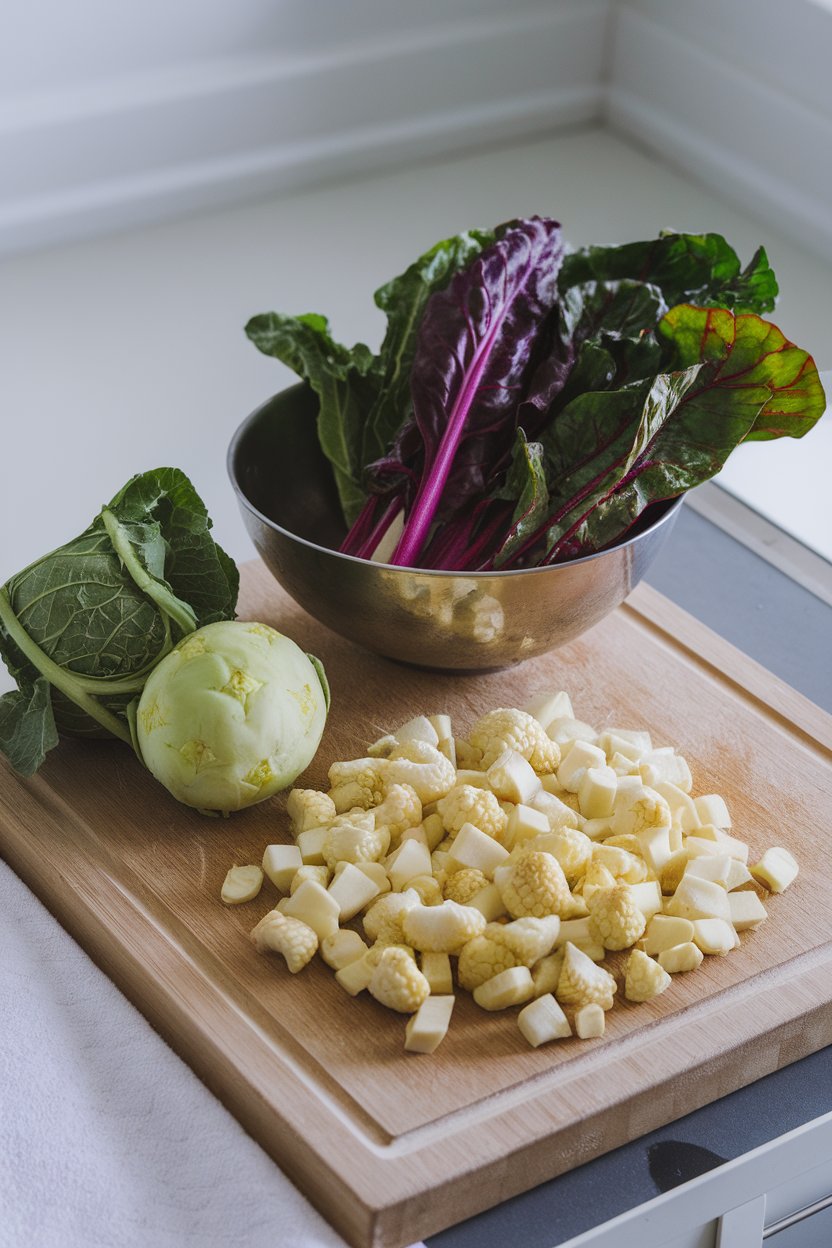
Trying unfamiliar produce keeps your palate curious. Search quick recipes to highlight each veggie’s strengths. Diversity ensures a broad spectrum of vitamins and minerals.
27. Roast a Big Tray of Veggies
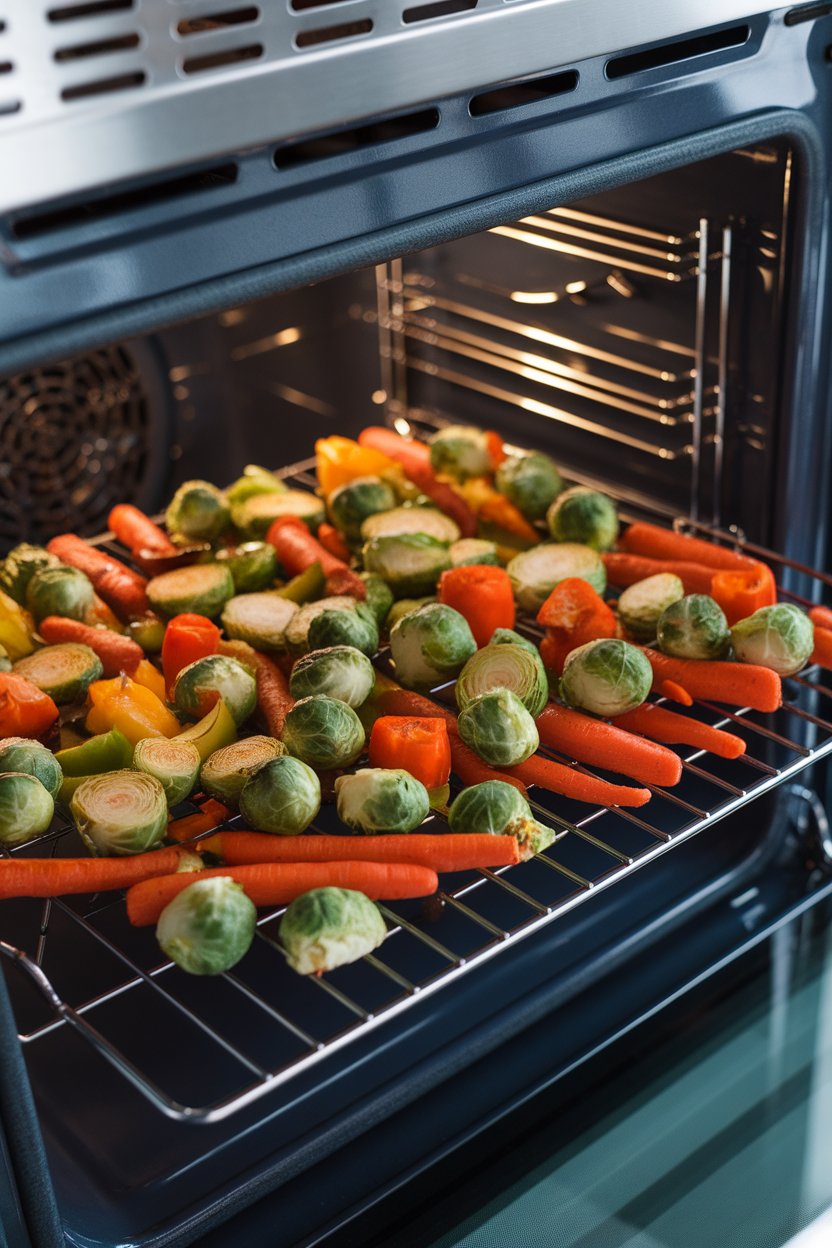
Carmelized edges add depth that converts even picky eaters. Toss leftovers into salads, wraps, or omelets. Roasting once per week guarantees quick sides for days.
28. Flavor Water with Infusions
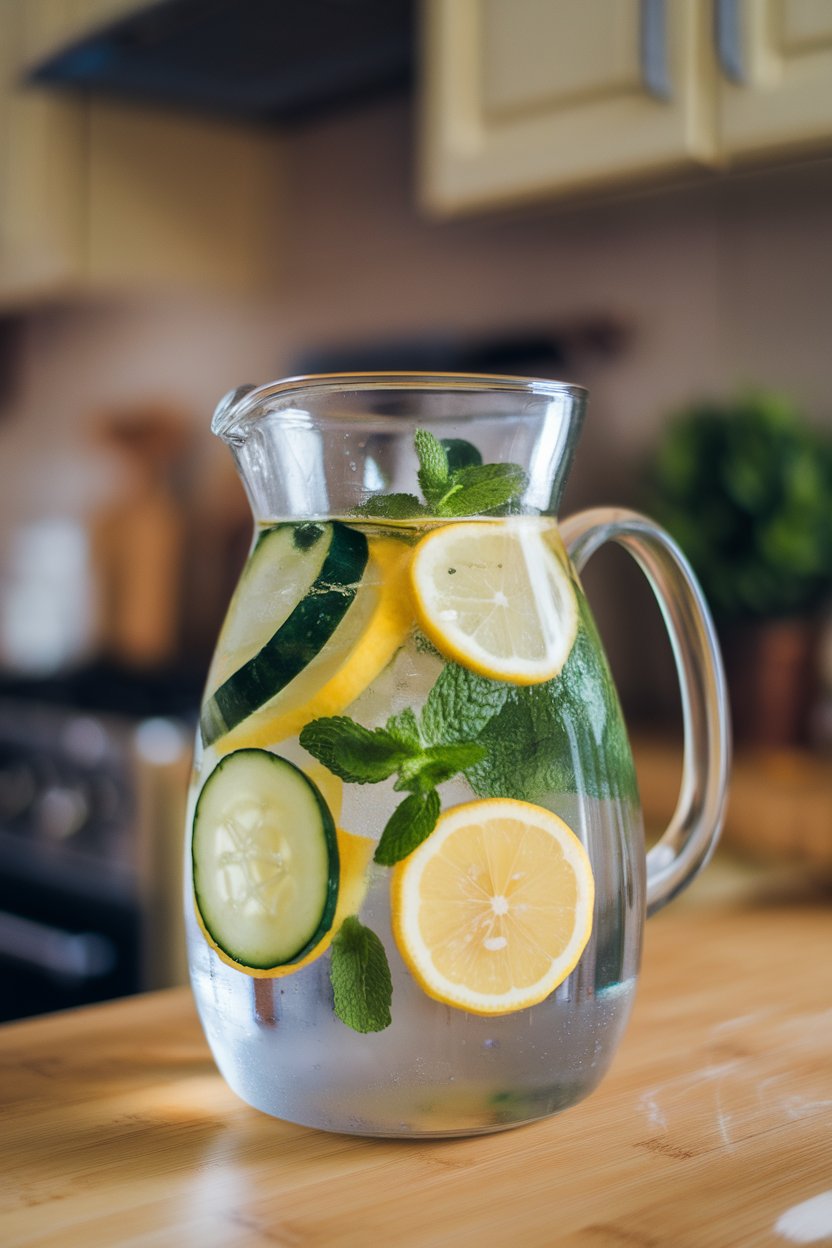
Infused water feels like a treat yet remains calorie-free. Keep a pitcher in the fridge so it’s the first thing you see. Rotate fillings to stay interested in sipping.
29. Practice Mindful Grocery Shopping
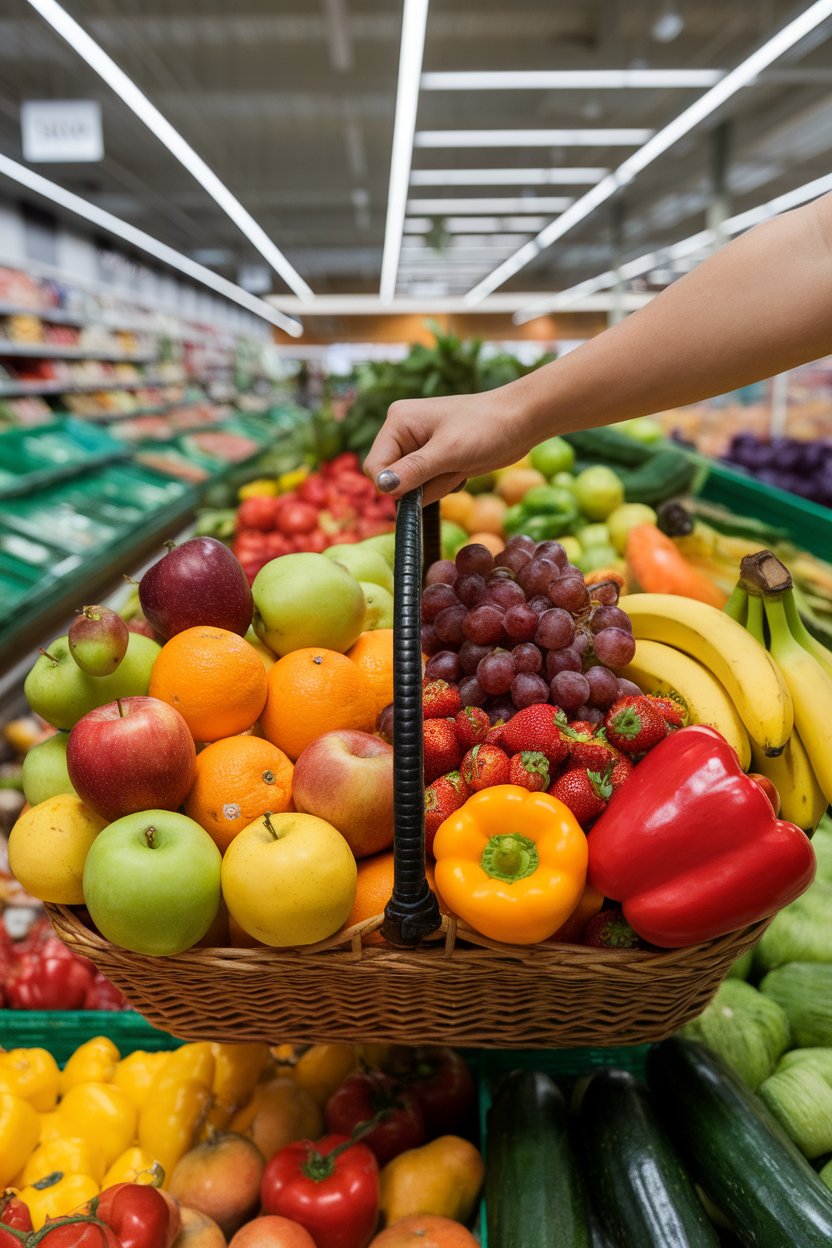
Start in the perimeter where fresh foods live, then dip into aisles only for specific items. Avoid shopping when hungry to resist impulse buys. Stick to your list yet allow one new healthy product for fun.
30. Spice Up Plain Yogurt
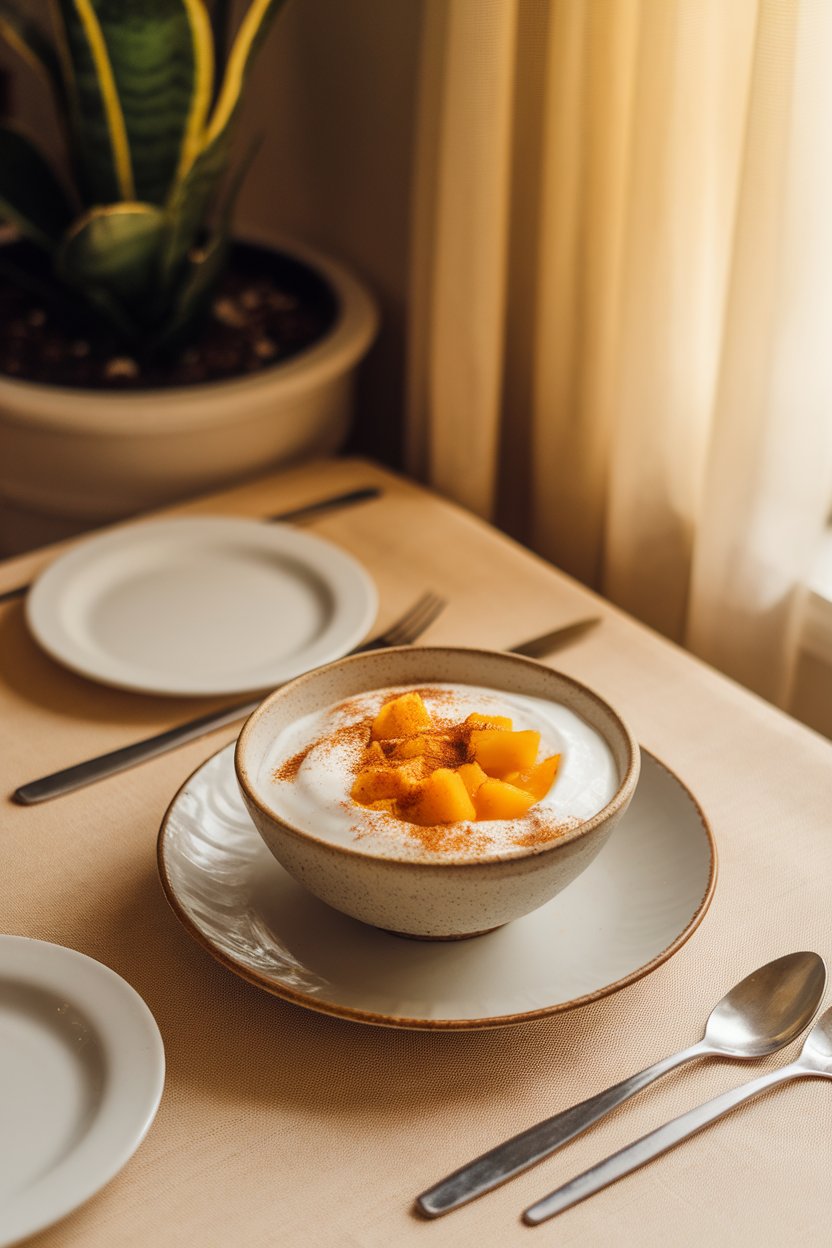
Skip sugary flavored cups by adding fruit, nuts, or a drizzle of raw honey. Greek varieties supply protein, supporting muscle recovery. Spices like cinnamon offer natural sweetness without extra sugar.
31. Use the “Half Plate” Produce Rule
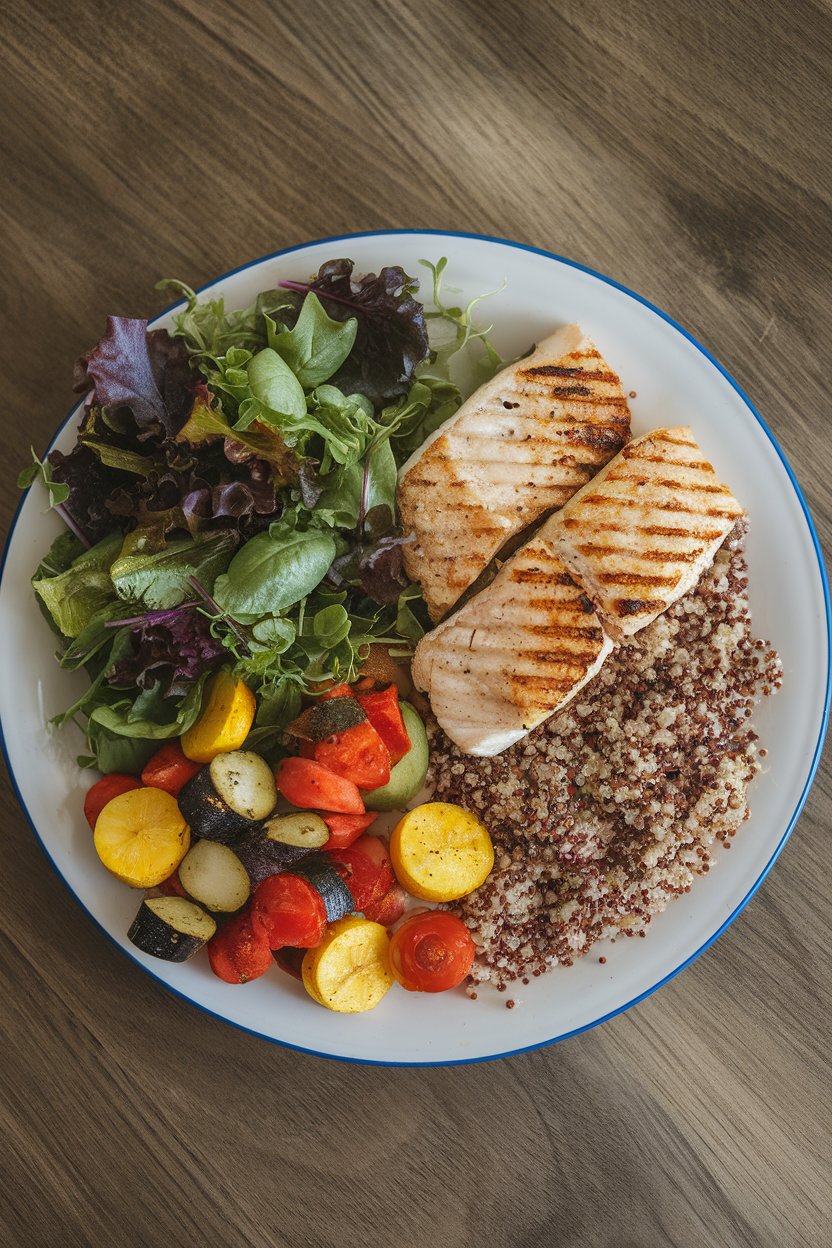
Visual guidelines simplify portioning more than calorie math. Fill half your plate with produce before adding proteins and grains. Over time, this pattern becomes automatic.
32. Prepare Homemade Broth
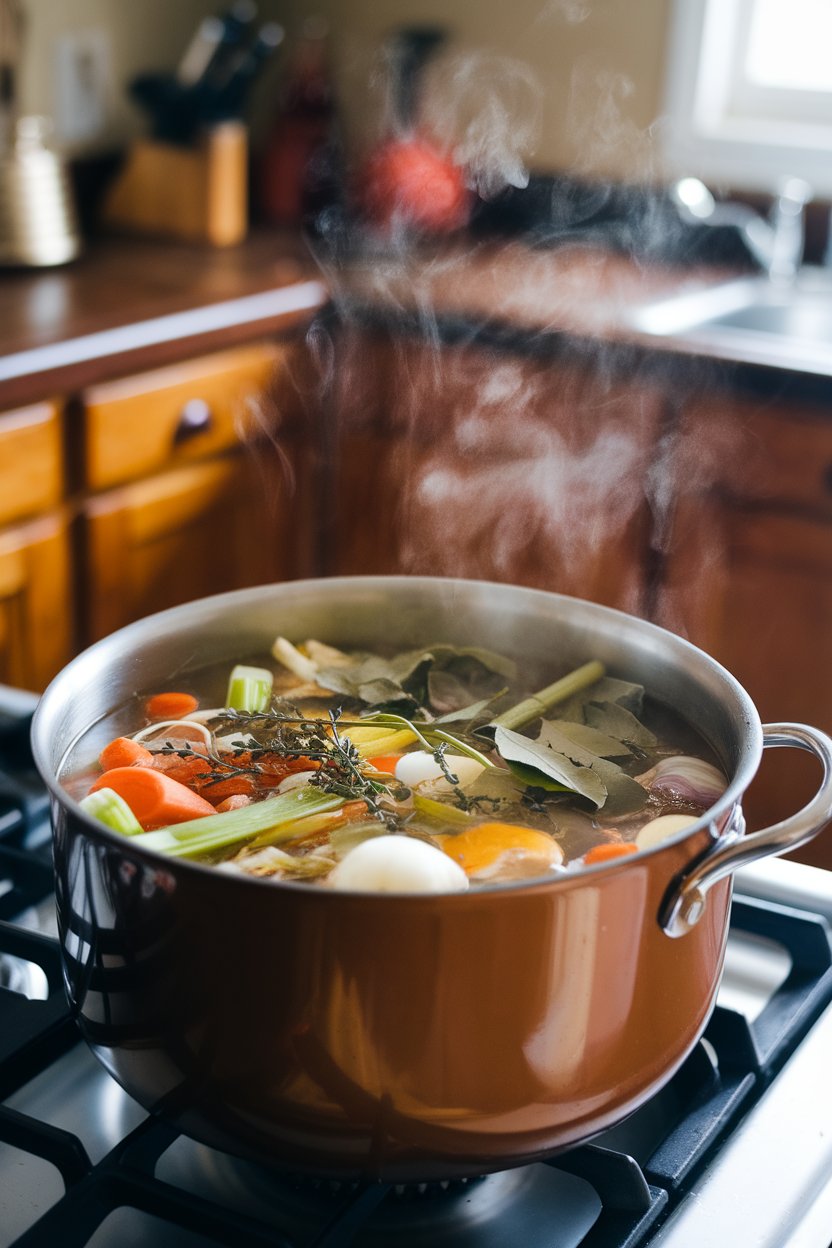
Broth from veggie ends or leftover bones boosts flavor without additives. Freeze in ice cube trays for instant seasoning. It’s frugal, sustainable, and delicious.
33. Keep Fruit in a Bowl on the Counter
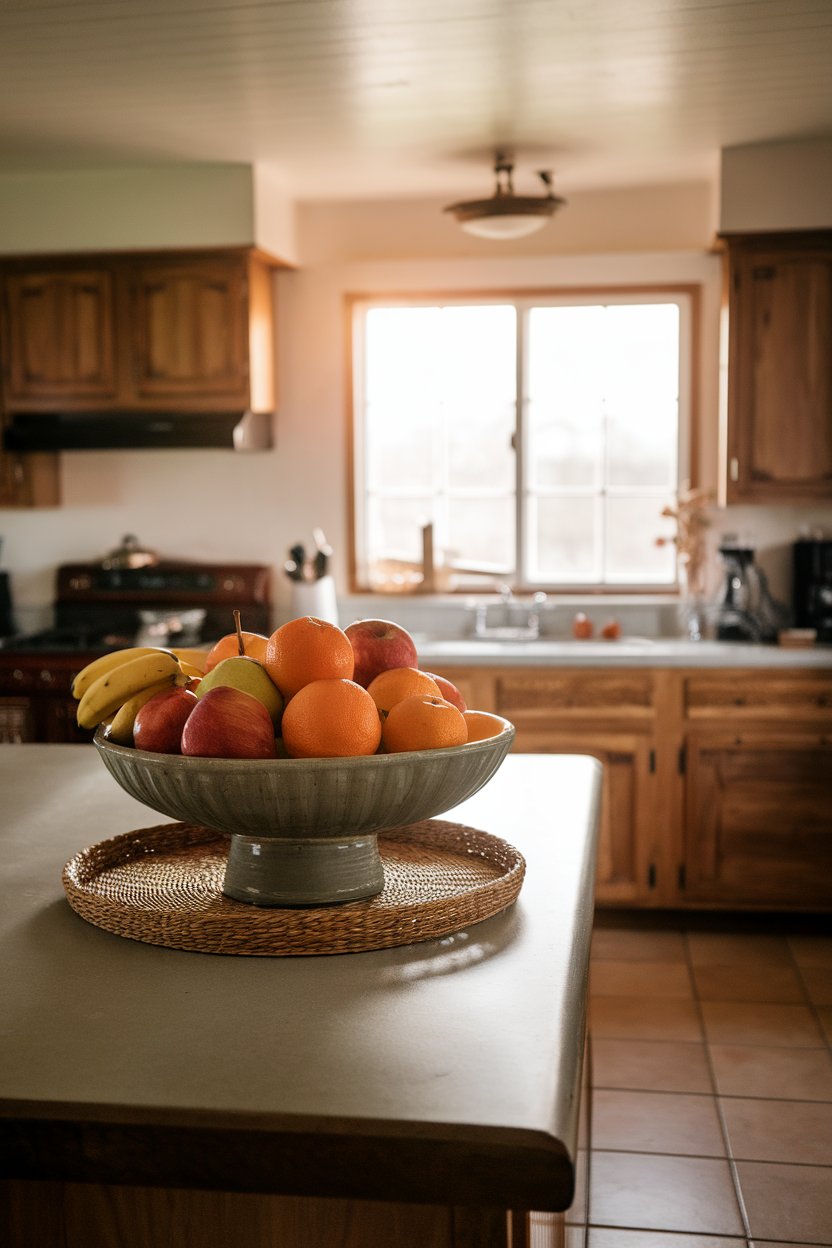
Visibility encourages quick, healthy snacking. Rotate stock so older fruit moves to the top. Children often grab what’s easiest to see.
34. Try New Cooking Methods
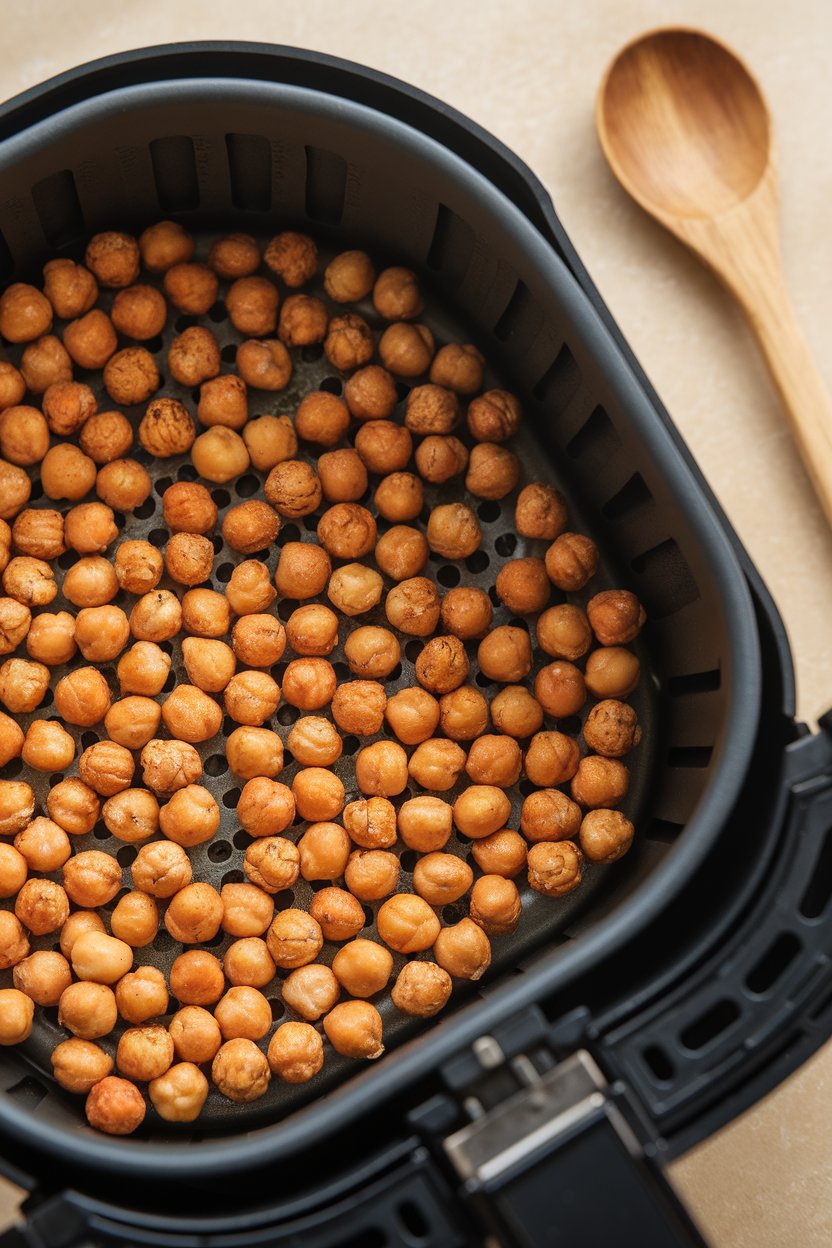
Grilling, steaming, or air-frying provide variety and prevent boredom. Alternate textures keep meals exciting without heavy sauces. Learning one new technique per month widens your toolbox.
35. Freeze Leftovers in Single Portions
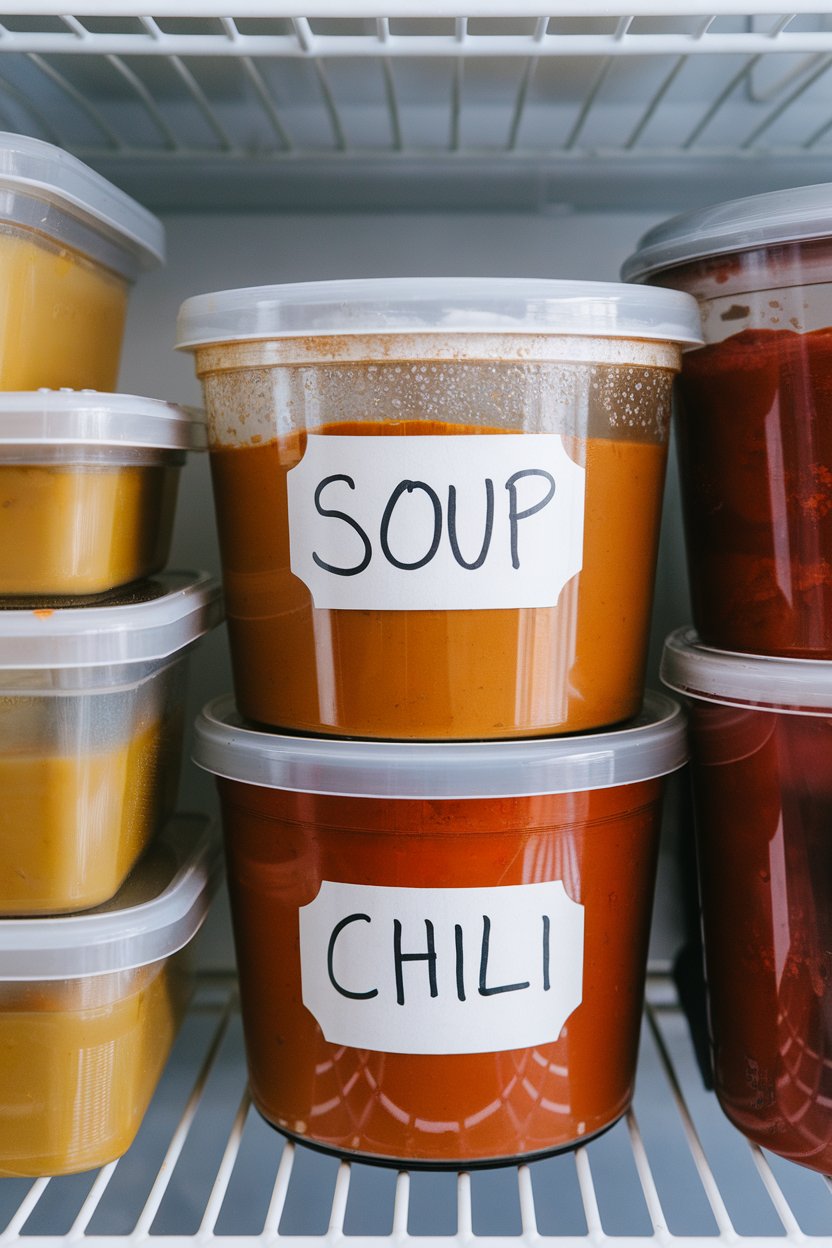
Portioning prevents overeating and means you’ll always have a healthy meal on busy nights. Cool food completely before sealing to avoid ice crystals. Rotate stock every few weeks to maintain freshness.
36. Flavor Coffee Without Syrups

Spices, unsweetened cocoa, or vanilla extract give depth minus refined sugar. Milk frothers add café-like foam at home. You’ll taste the coffee rather than masking it with syrup.
37. Check Hunger with the 1–10 Scale

Rate hunger before and after meals to tune into bodily cues. Aim to eat at around a 3–4 and stop around 7. Consistency improves portion awareness naturally.
38. Keep a Seasoning Shortcut List on the Fridge
Pairing foods with quick spice combos saves mental bandwidth during busy nights. For example, lemon-garlic for fish or cumin-chili for beans. Soon, you’ll season on autopilot.
39. Practice the Three-Color Rule Per Meal
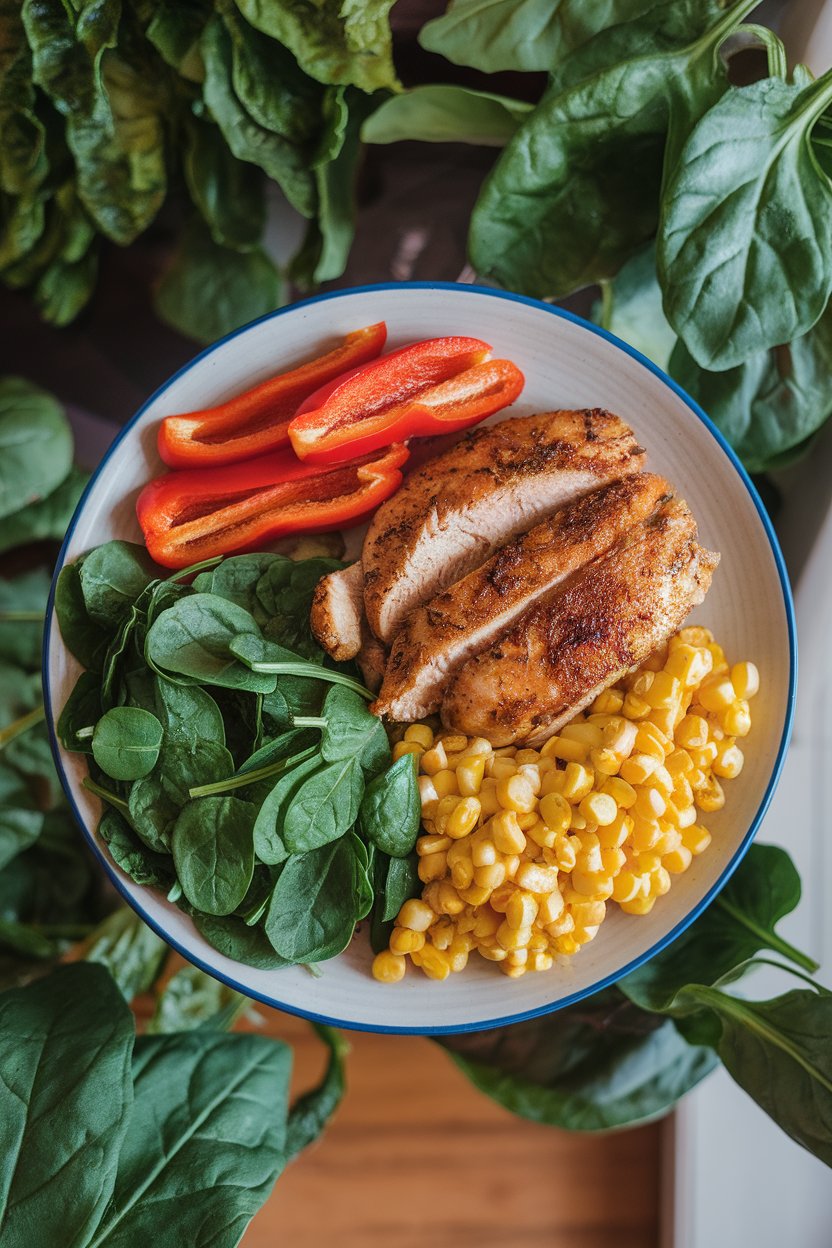
Including at least three distinct colors often guarantees varied nutrients. It also makes meals visually appealing. Kids especially enjoy “eating the rainbow.”
40. Choose Whole Fruit Over Juice
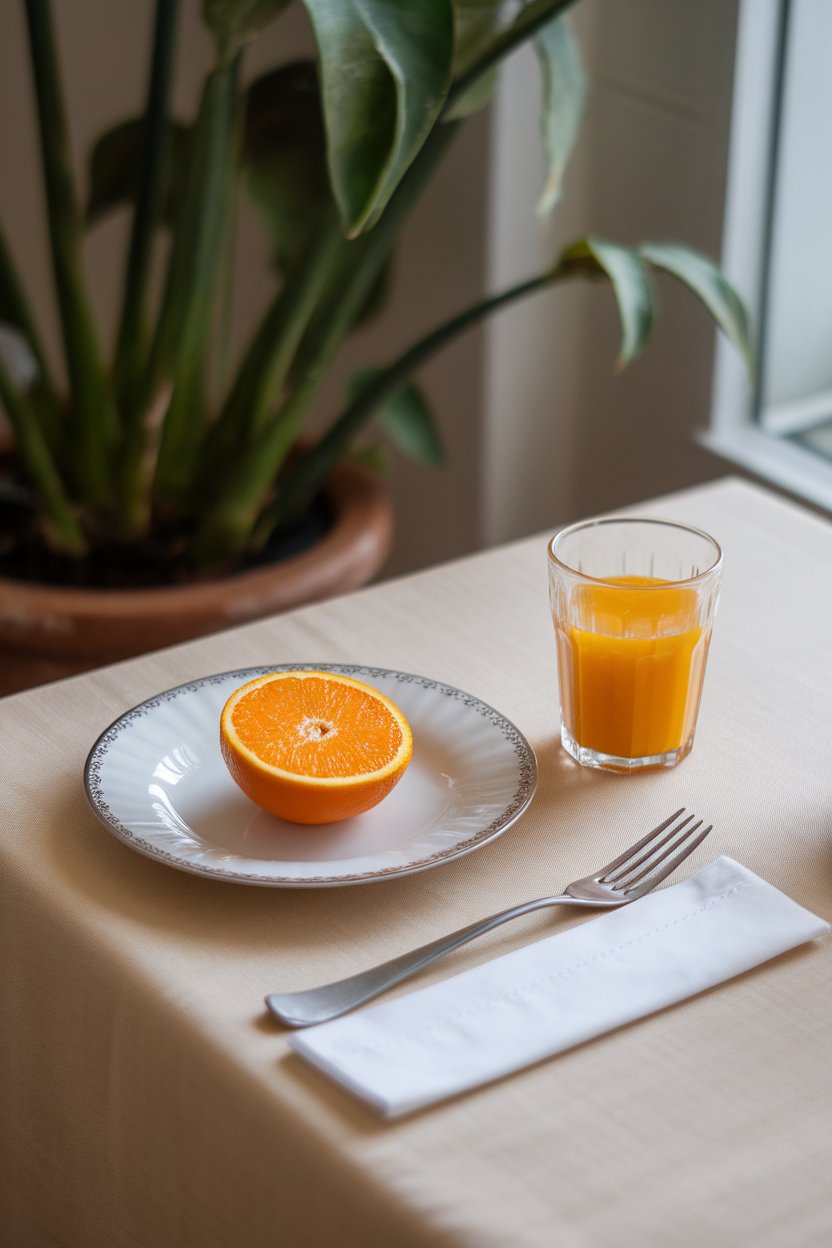
Whole fruit offers fiber that slows sugar absorption and aids digestion. Juice concentrates calories without satiety. When you crave citrus flavor, add slices to water instead.
41. Keep an Herb Garden (Even Windowsill-Sized)
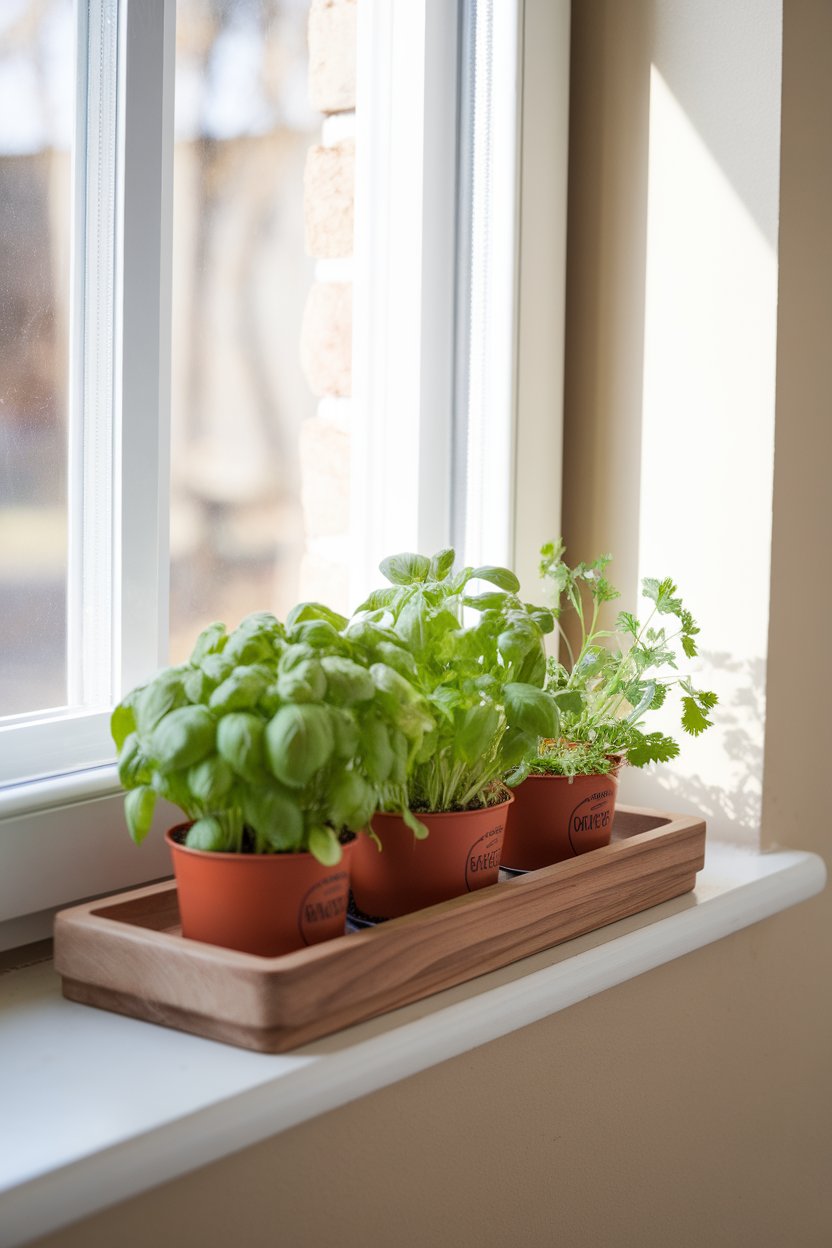
Fresh herbs perk up simple dishes for mere pennies. Snipping leaves right before serving maximizes aroma. Plus, caring for plants builds a fun routine.
42. Celebrate Non-Scale Victories

Improved sleep, stable energy, or looser clothing all signal progress. Recognizing them keeps motivation high when the scale stalls. Jot these wins in your journal.
43. Practice Portioning Snacks Into Bowls
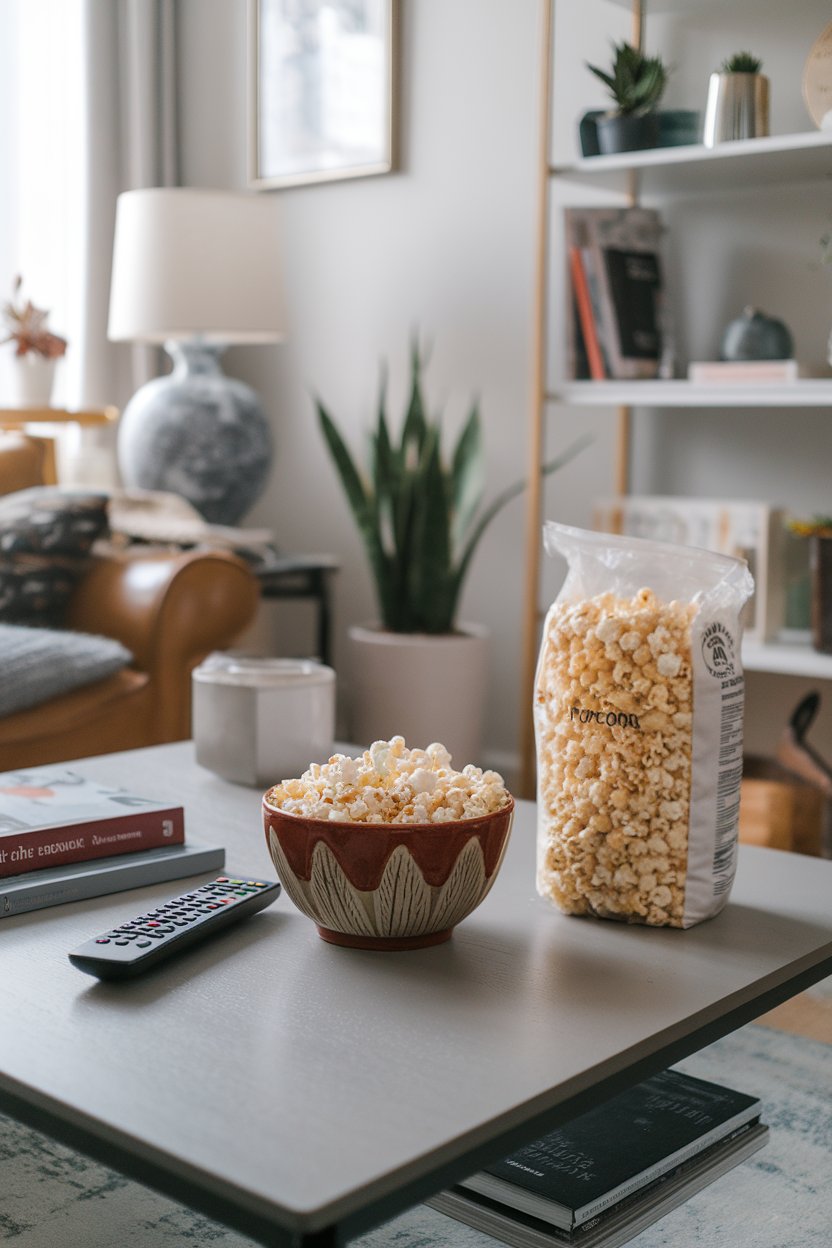
Eating straight from the package often leads to mindless overconsumption. Funnel snacks into a dish, then put the rest away. This simple action raises awareness of quantity.
44. Limit Screen Time While Eating
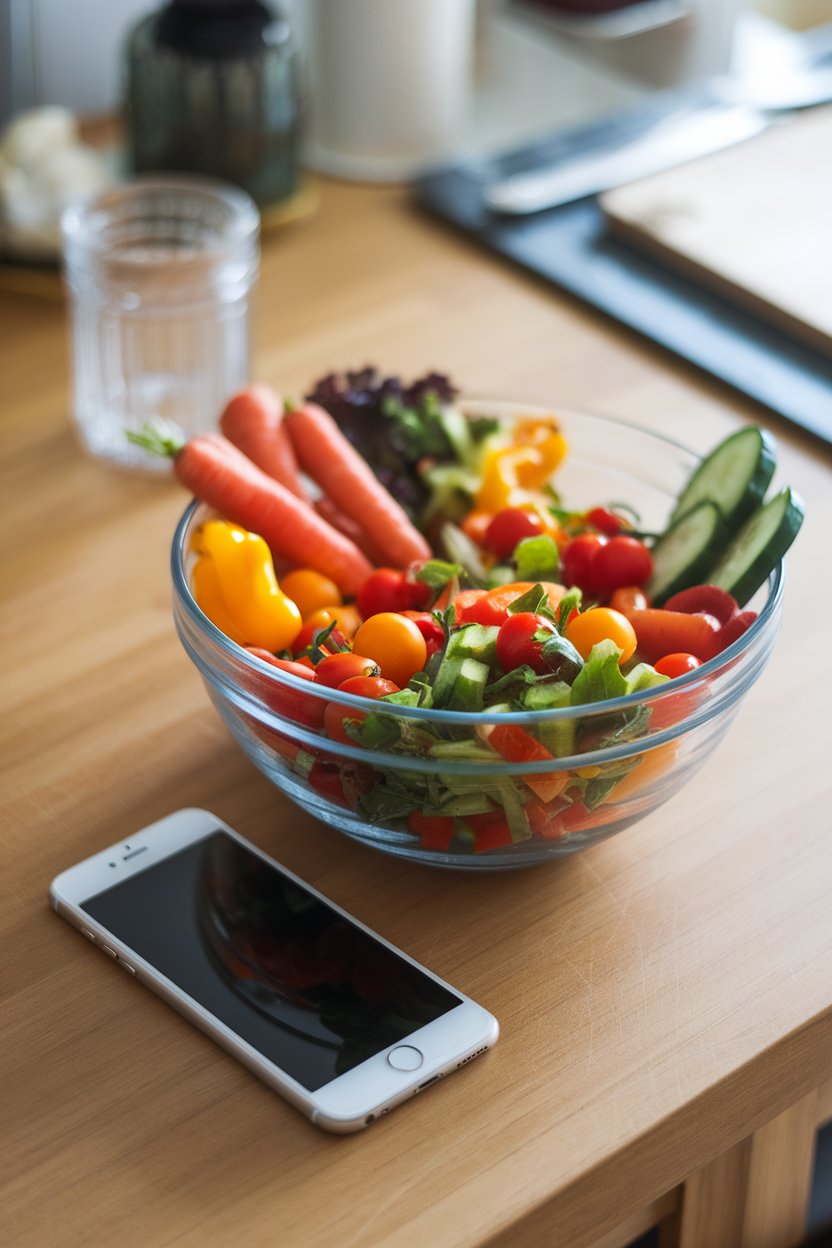
Multitasking dulls taste buds and delays fullness cues. Engage senses by noting textures and spices. Conversations with family or mindful silence turn meals into pleasant breaks.
45. Watch Alcohol Intake

Alcohol adds empty calories and often pairs with late-night snacking. Alternate each drink with water to stay hydrated. Consider mocktails using herbs and citrus for gatherings.
46. Try Theme Nights for Variety
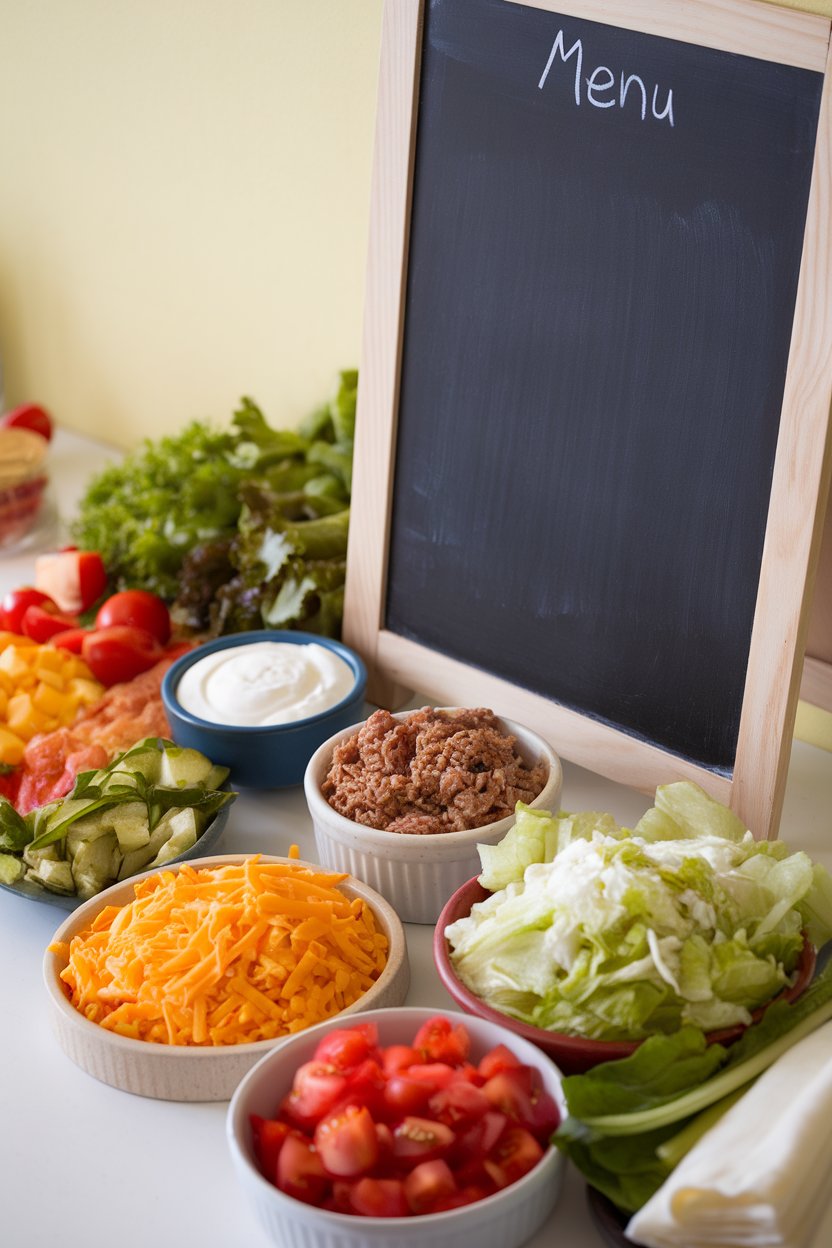
“Stir-Fry Friday” or “Soup Sunday” spark creativity while streamlining shopping lists. Themes help kids anticipate dinner favorites. They also prevent recipe ruts.
47. Keep Healthy Convenience Foods on Hand
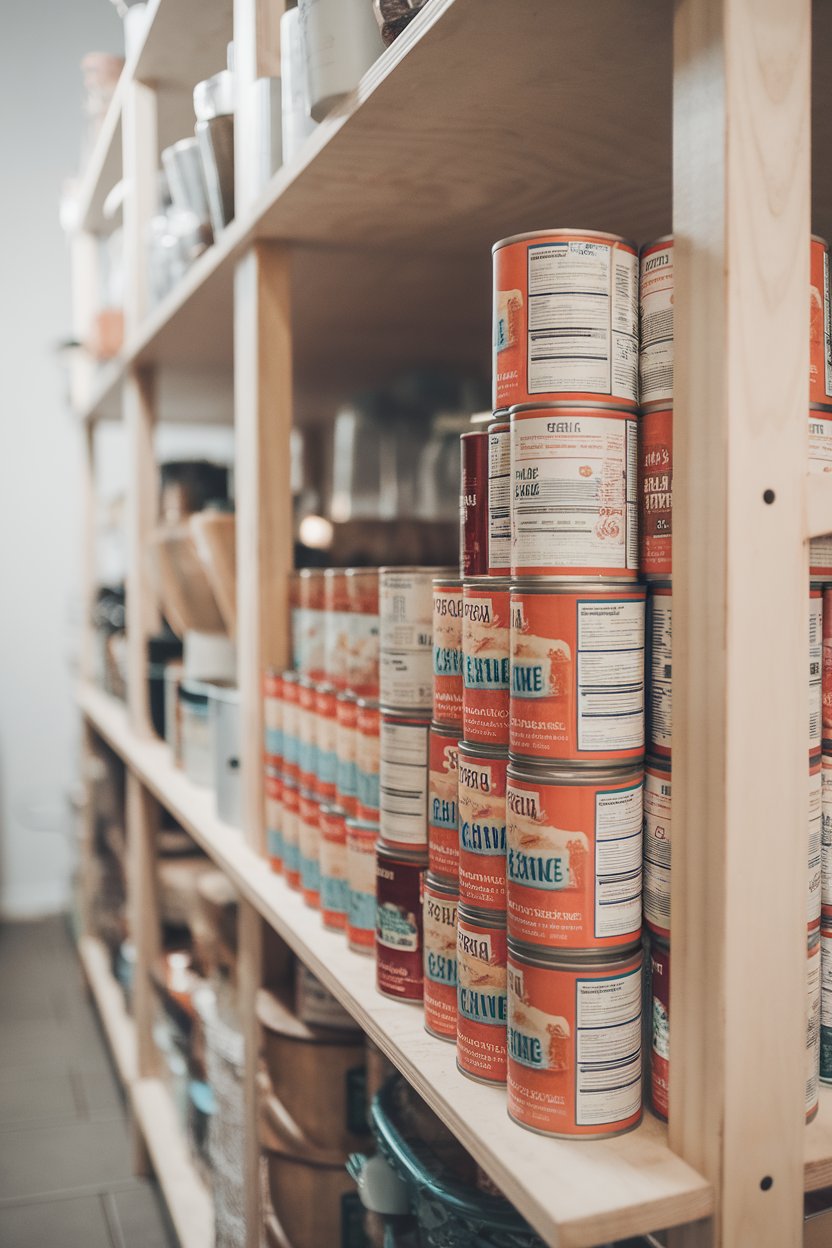
No-salt-added canned beans, tuna, or tomatoes turn into meals in minutes. Pair with fresh or frozen produce for balance. Quick options stop you from dialing delivery.
48. Practice Gratitude Before Meals
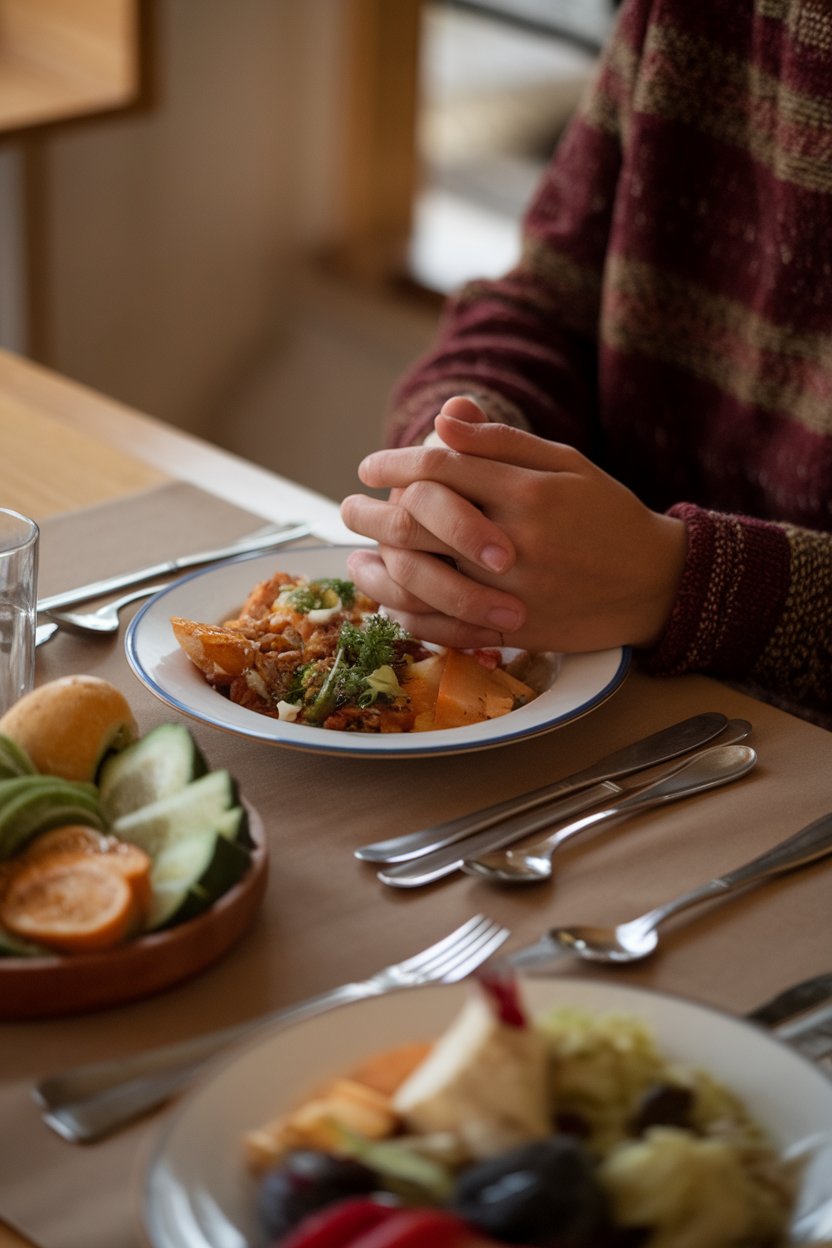
A brief pause to appreciate ingredients and effort fosters mindful eating. This ritual can lower stress hormones that affect digestion. Even ten silent seconds make a difference.
49. Reflect Weekly and Adjust Goals
Assess what worked and what felt challenging at week’s end. Shift strategies rather than abandoning the plan. Continuous tweaks keep progress steady across 90 days.
50. Reward Yourself—Without Food
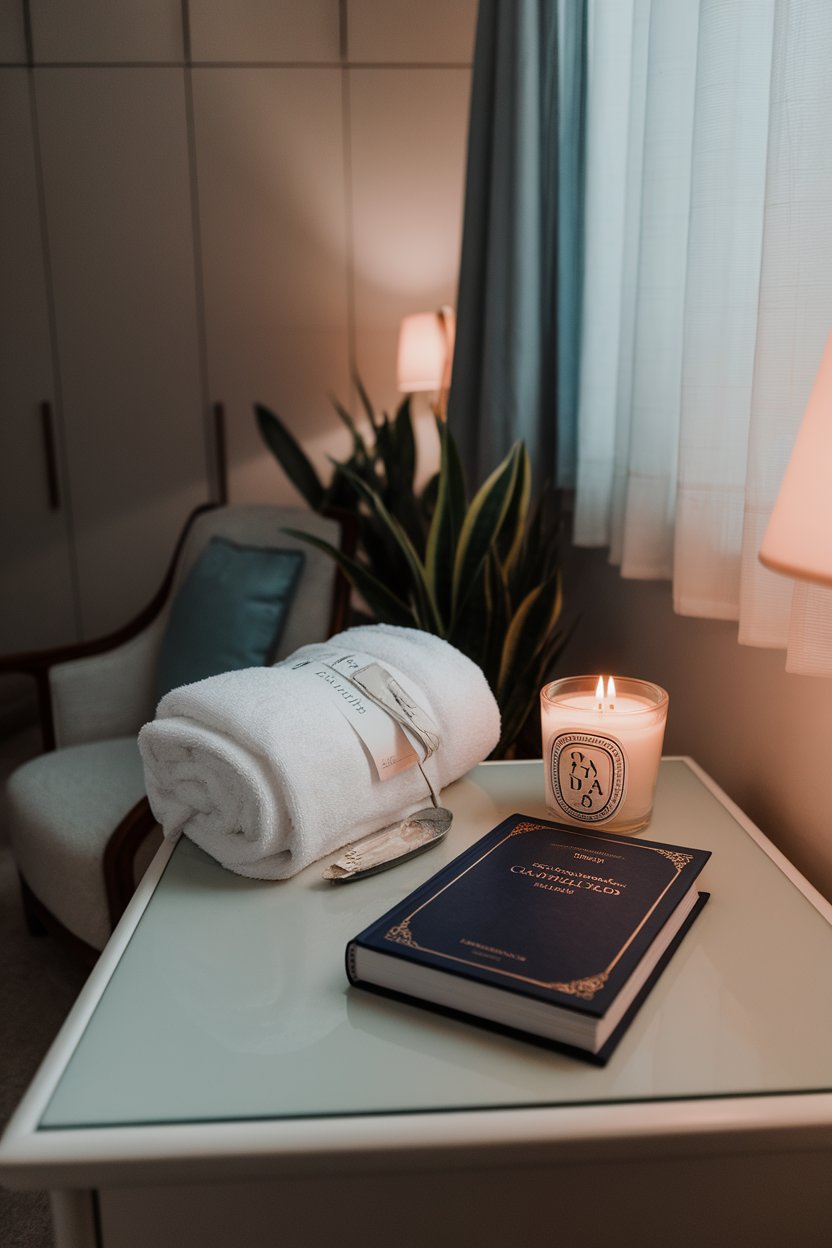
Celebrate milestones with experiences like a massage, new workout gear, or a relaxed movie night. Non-food rewards reinforce healthy habits without derailing progress. You’ll finish the challenge feeling proud and refreshed.

Nathaniel Lee is an avid cook, drawing on his decades of home cooking and fine dining experience. He is a contributing chef at Mashed, and his recipes and contributions have been featured in Tasting Table, Edible Arrangements, Insanely Good Recipes, and The Daily Meal.