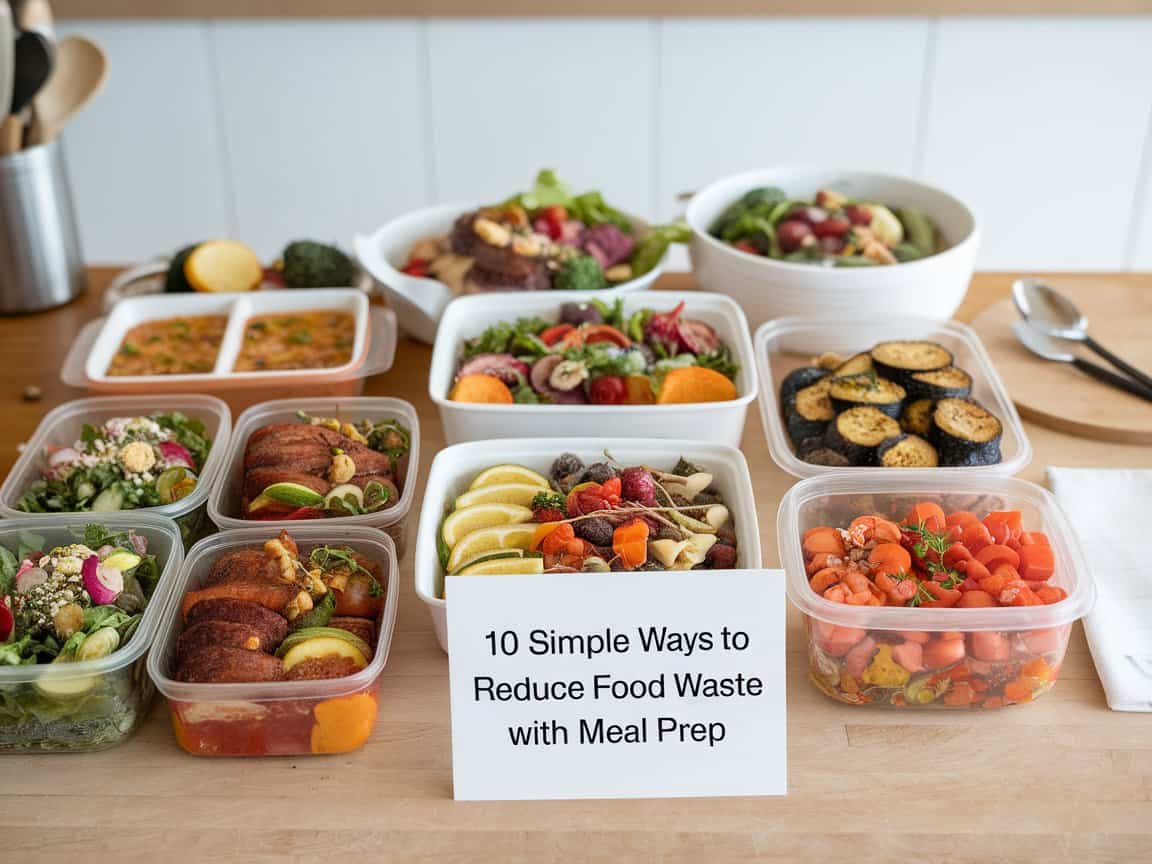
Want to cut down on food waste while simplifying your meal prep? You’re in the right place! In this article, we’ll explore 10 straightforward tips that make it easy to plan, cook, and store meals in a way that not only saves you time and money but also helps you do your part for the environment. Let’s dive in and start minimizing that food waste together!
1. Portion Control for Better Management
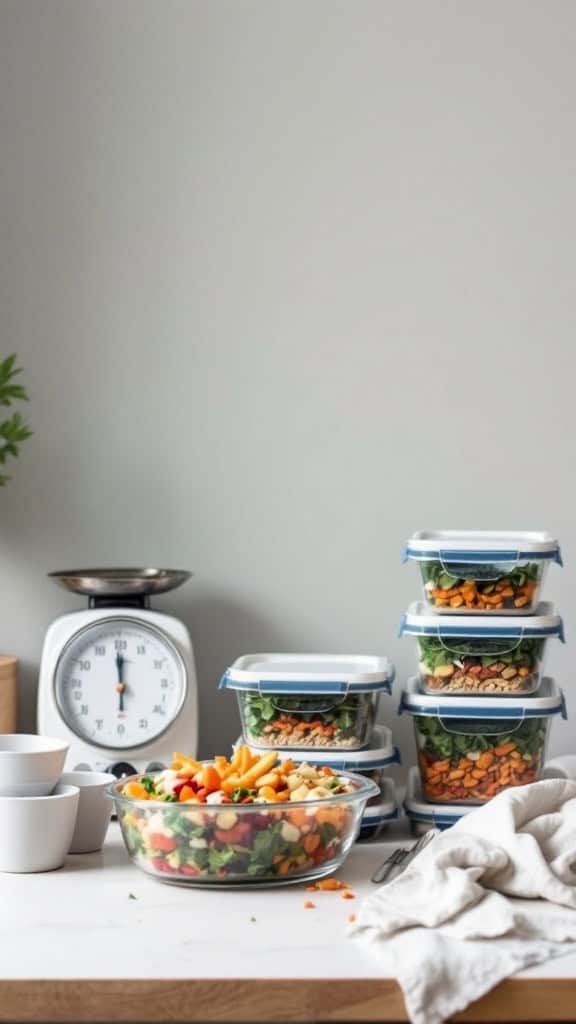
Portion control is a simple trick to help you manage your meals and reduce food waste. By prepping individual servings ahead of time, you can easily grab what you need without overloading your plate. Plus, this way, you get to enjoy fresh meals throughout the week without worrying about leftovers going bad.
2. Freezing Meals for Future Use
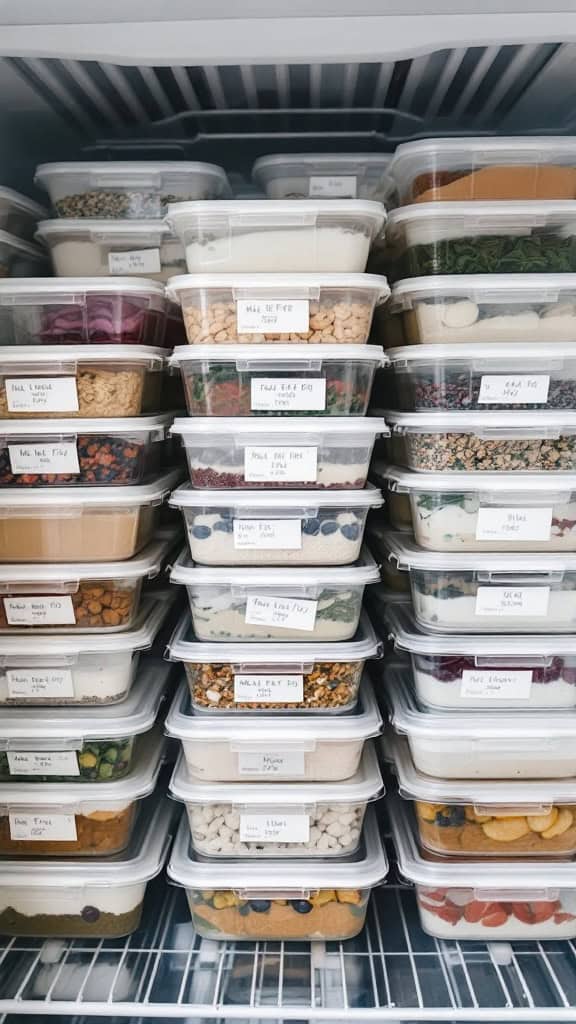
Freezing meals is a smart way to cut down on food waste while saving time. When you prep and freeze individual portions, you’ll always have something ready to go on busy days. Plus, you can enjoy your favorite dishes later without the hassle of cooking from scratch again.
3. Utilizing Leftovers Creatively

Leftovers can be a fun way to whip up new meals without wasting food. For example, that pasta from last night can easily transform into a stir-fry or a salad with a few extra toppings. Don’t be afraid to mix and match ingredients to create something tasty and fresh!
4. Batch Cooking for the Week Ahead
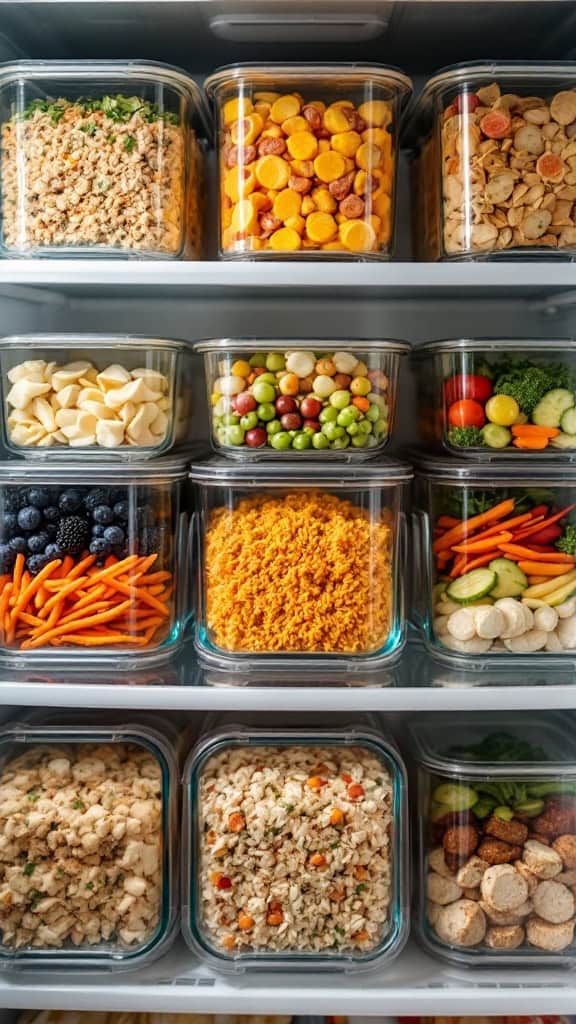
Batch cooking is a fun way to save time and cut down on food waste. When you prepare meals in large quantities, you can use your ingredients fully and avoid those last-minute grocery runs. Plus, having ready-to-eat meals makes it easier to stick to your meal plan all week long!
5. Creating a Weekly Meal Plan
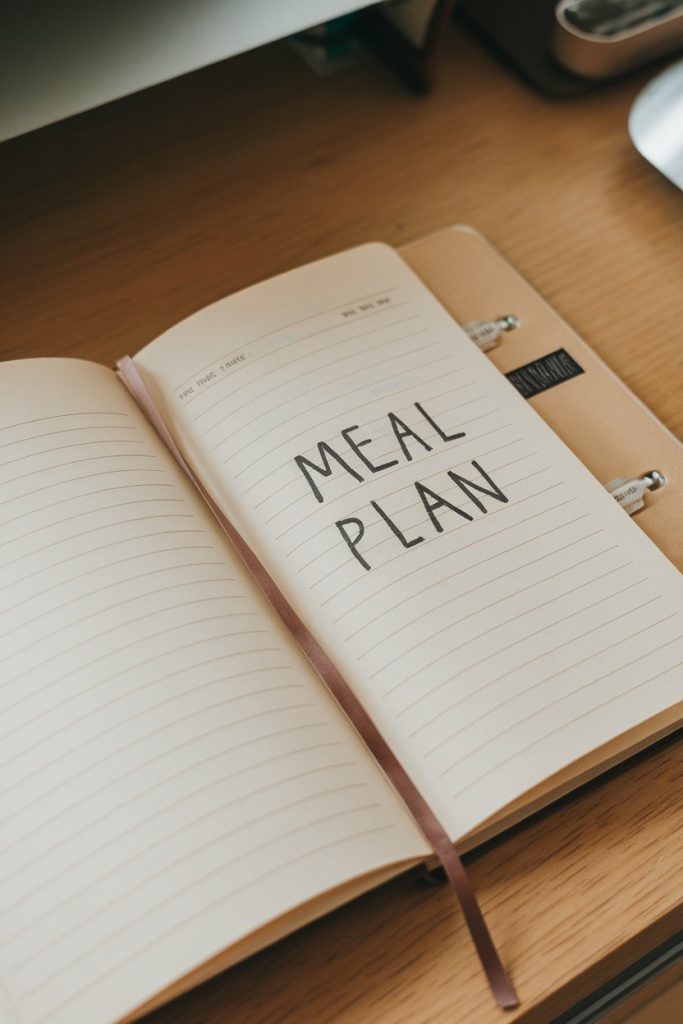
Planning your meals for the week can really help cut down on food waste. Start by jotting down what you already have in your pantry and fridge to avoid buying duplicates. Then, create simple, balanced meals that use those ingredients and stick to your plan throughout the week!
6. Using Scraps and Peels in Cooking
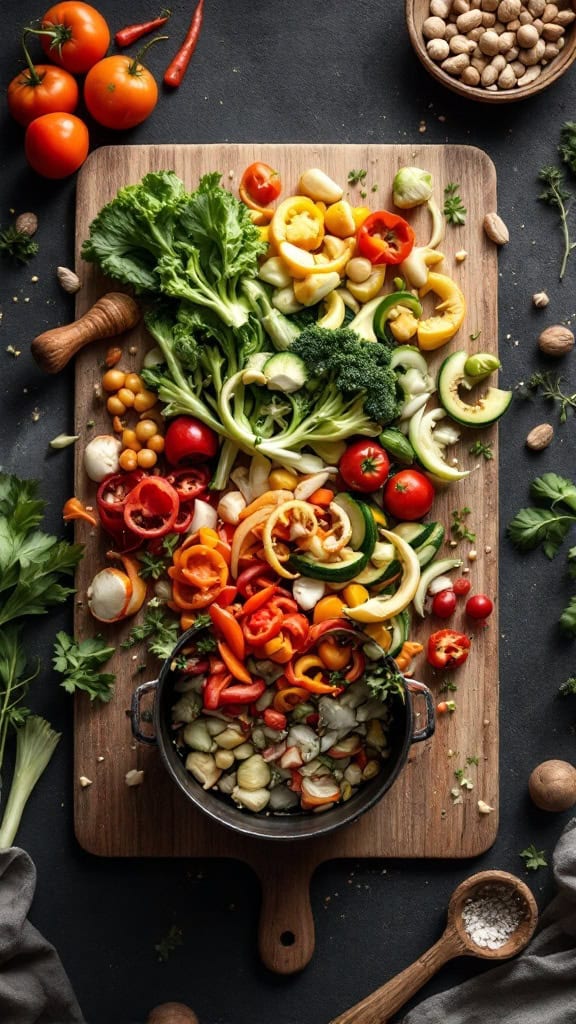
Don’t toss those vegetable scraps! Many peels and leftover bits can add flavor and nutrition to your meals. Try making vegetable broth with scraps or using carrot tops in pesto for a tasty twist.
7. Storing Food Properly to Extend Shelf Life
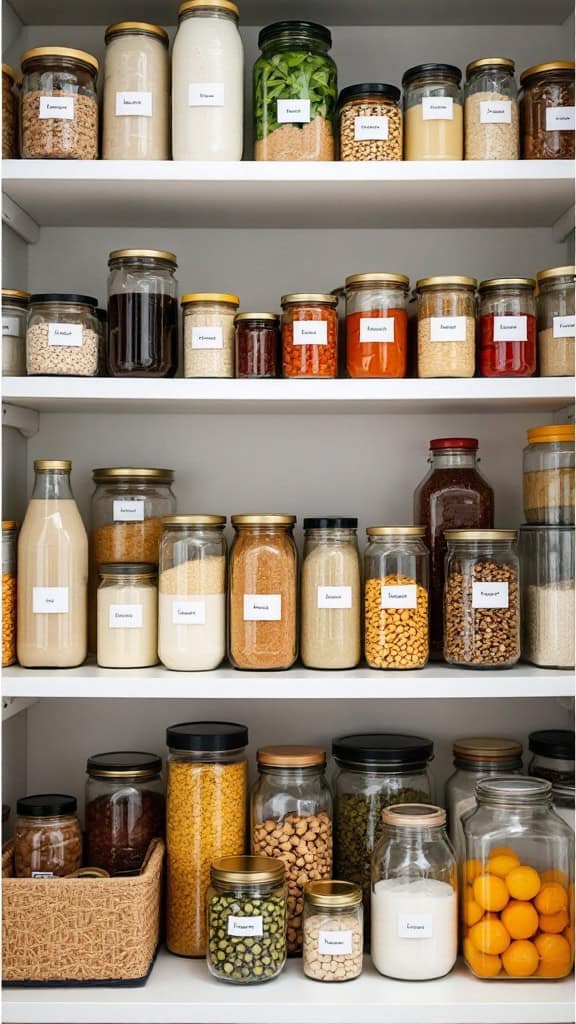
Storing food correctly is a simple way to cut down on waste. Using clear jars and labeling them helps you see what you have and when it expires. This way, you can enjoy your meals without worrying about spoiled ingredients.
8. Incorporating Seasonal Ingredients
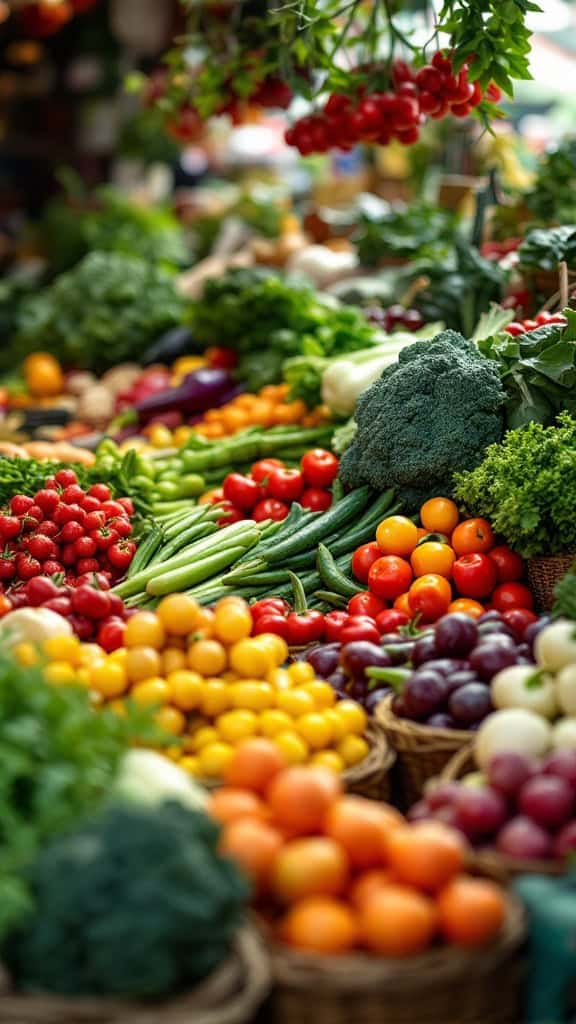
Using seasonal ingredients is a smart way to reduce food waste while keeping your meals fresh and tasty. When you buy what’s in season, you often get better flavors and lower prices, making meal prep easier on your wallet. Plus, you’ll be supporting local farmers and enjoying the best produce available!
9. Shopping with a Purpose
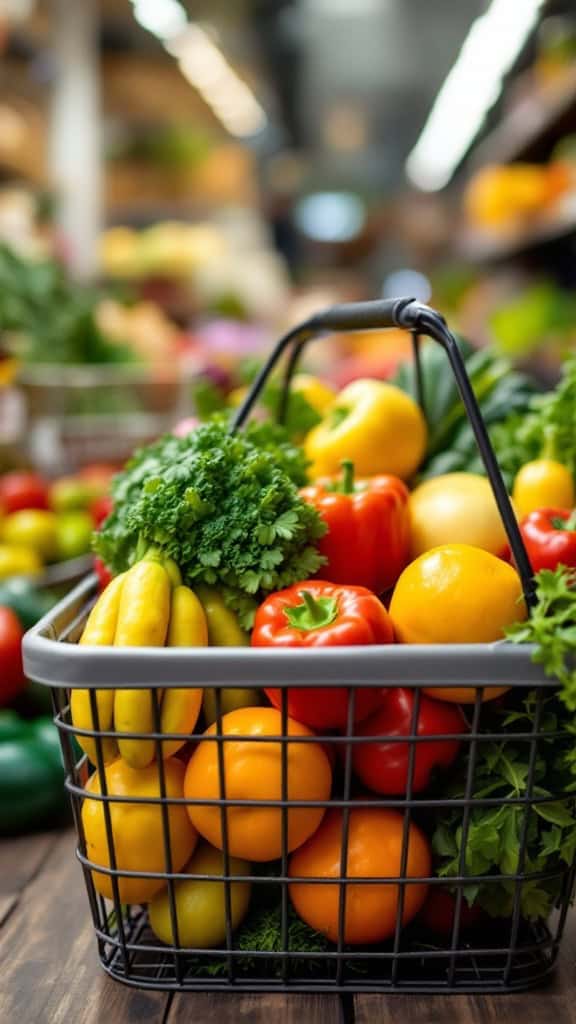
When you shop, keep your meals in mind. Make a list of what you need before heading to the store, which helps you avoid impulse buys. This way, you’ll stick to items you actually plan to use, reducing food waste.
10. Educating on Expiration Dates and Labels
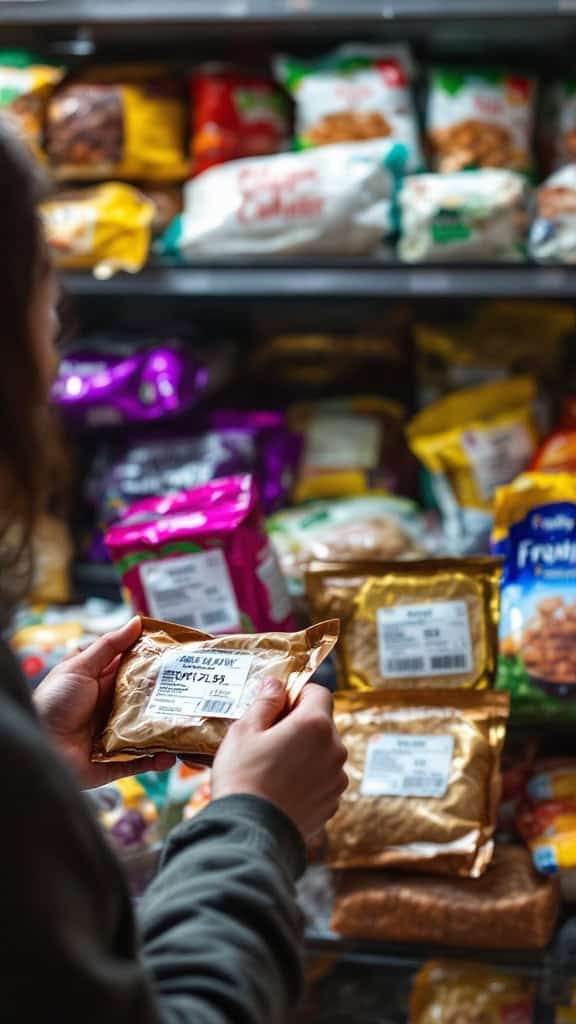
Understanding expiration dates and labels can really help cut down on food waste. Many people think ‘best by’ means the food is bad after that date, but it often just means it’s at its peak quality. Check those labels and trust your senses—often, food is still good well past its date!